
Buying Versus Renting A Vacation Home In Longport
March 11, 2026
March 11, 2026
Thinking about a shore place you can escape to on repeat, but not sure whether to buy or keep renting in Longport? You are not alone. With peak season demand, changing rules, and coastal insurance to consider, the choice is more nuanced than it looks. In this guide, you will get a clear framework to compare costs, revenue potential, and lifestyle tradeoffs, all through the coastal and warm lens of Longport. Let us dive in.
Longport draws an exclusive and steady summer crowd thanks to its pristine beaches, incredibly quiet residential atmosphere, and prime location at the southern tip of Absecon Island. That highly desirable access means intense demand from late May through early September. Spring and fall are exceptionally peaceful, while winter is typically very quiet but retains a strong, tight knit local community feel.
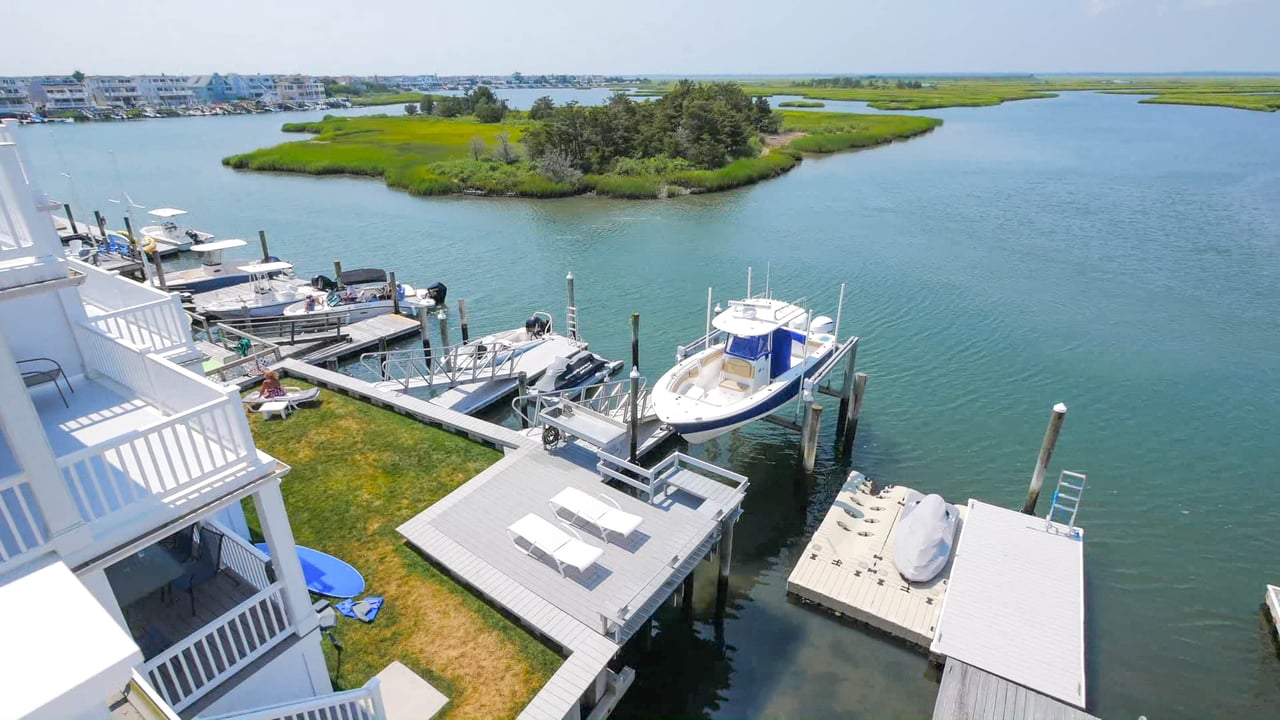
Location and home type matter immensely here. Properties close to the beach, luxury builds near The Point, or bayfront homes with deep water slips tend to resell exceptionally well. Proximity to popular local landmarks can bring specific parking considerations, so factor convenience and compliance into your plan. You can explore local community updates and amenities through the Borough of Longport Official Website.
The bottom line is seasonality and exclusivity drive value. If you buy, you are securing a premier lifestyle investment. If you rent, you will pay the highest premium rates in peak weeks and must navigate very strict local leasing ordinances.
Buying a vacation home gives you control over your calendar and a shot at long term appreciation in one of the most prestigious zip codes on the East Coast. It also comes with carrying costs, maintenance, and local compliance. Use these key buckets to plan.
Costs to own in Longport
Purchase and closing: purchase price plus transfer taxes, title and attorney fees, and lender costs. These vary by deal and loan.
Mortgage payments: second home and investment loans have different terms and rates than primary homes. Factor principal and interest.
Property taxes: New Jersey property taxes are a meaningful cost. Confirm the current assessment and annual bill for the specific property.
Insurance: homeowners coverage plus wind or hurricane endorsements. Flood insurance is likely if the home sits in a FEMA Special Flood Hazard Area.
Utilities and services: water, electric, gas, internet, landscaping, winterization, trash, and seasonal upkeep.
Maintenance and reserves: plan for routine repairs and capital items like roofs, decks, and appliances. Many owners budget 1 to 4 percent of home value per year, depending on age and condition.
Rental operations: if you plan to rent, include cleaning, linens, marketing, booking fees, and guest support. Full service managers often charge a percentage of gross revenue.
HOA or condo dues: if applicable, include association fees and reserve contributions.
Financing for second homes Loan products depend on how you will use the home. Lenders may price second home loans more favorably than pure investment loans, but they still expect stronger reserves and lower debt to income ratios than a primary home. Down payments often range from 10 to 20 percent for second homes and 20 to 25 percent for investment properties. Some lenders can count documented rental income in underwriting, while others cannot. A local pre approval for both scenarios gives you clarity and negotiating power.
Insurance and coastal risk Coastal exposure changes the insurance conversation. If the property is in a lender required flood zone, you will need flood insurance. Even if it is not required, flood risk is still a consideration near the coast and bay. Wind and hurricane coverage can raise premiums, and leasing adds liability risk. Get quotes early, compare coverage options, and budget for deductibles and potential assessments after major storms. You can check the flood zone status for any property at the FEMA Flood Map Service Center.
Renting a vacation home gives you flexibility without long term commitments or maintenance. It can be the right move if you want to sample the quiet lifestyle of The Point versus the beach blocks, keep capital liquid, or avoid carrying costs in the off season.
When renting makes sense
You plan only one or two peak season trips each year.
You prefer trying different locations before deciding where to buy.
You want to avoid insurance, taxes, and repairs for now.
Your lifestyle is changing and you value maximum flexibility.
Typical rental patterns in Longport Unlike other shore towns, Longport has strict zoning ordinances designed to protect its quiet residential character. Weekly rentals are generally not permitted. The borough enforces a strict 14 day minimum rental period, and many owners prefer half season or full summer leases. Rates reflect proximity to the beach and bay, bedroom count, parking, outdoor space, and condition. You will pay a massive premium for prime summer months.
If part of your buying plan involves renting, build your numbers conservatively. Most owners earn the majority of revenue in the summer. Plan for shoulder season softness and winter vacancy.
How to estimate revenue
Start with comparable listings: look for similar bedroom count, distance to the beach or bay, parking, outdoor space, and condition.
Track key metrics: average monthly or seasonal rate, occupancy by season, and cleaning fees.
Use simple formulas: * Net operating income, or NOI: gross rental income minus operating expenses like management, utilities, cleaning, property taxes, insurance, and maintenance.
Cap rate: NOI divided by purchase price.
Cash on cash return: annual pre tax cash flow divided by total cash invested, which includes down payment, closing costs, and initial repairs.
Break even occupancy: annual operating expenses plus annual debt service, divided by average rate times available months.
Run a stress test. Lower your assumed rates and occupancy for shoulder months, and see if you can still cover expenses in a down year.
Seasonality to expect Expect the bulk of bookings and revenue from late May through early September. Spring and fall can add peaceful weekends, but not at peak summer revenue levels. Plan reserves to cover slower months so you do not rely on constant bookings.
Longport rules to verify Before you buy, confirm local rules that affect rentals. Common items include rental registration and inspections, the 14 day minimum stay requirement, occupancy limits by bedroom, quiet hours, and parking restrictions. Check whether local occupancy taxes apply and how they are collected. You can find up to date local rules, beach tag info, and mercantile license requirements on the official municipal website.
Taxes to know Owning and renting a vacation home comes with federal and state tax implications. A CPA can help you apply the rules to your exact situation.
Rental income is taxable. Typical deductions include property taxes, mortgage interest subject to limits, insurance, utilities, maintenance, management fees, advertising, and depreciation for the rental portion of the property.
Personal use rules matter. If you rent the property fewer than 15 days in a year, rental income may not need to be reported, but deductions are limited. If you use the property personally for more than the greater of 14 days or 10 percent of the days it is rented, the IRS treats it as mixed use and deduction rules change.
State taxes apply. New Jersey taxes rental income, and property taxes are a significant line item that you should verify for the specific address.
Use a simple framework to decide what fits your goals today and over the next 5 to 10 years.
Usage: how many weeks will you actually use the home. If you want guaranteed access in peak weeks, buying makes complete sense. If usage is limited, renting may be more cost effective.
Financial feasibility: can you carry the mortgage, taxes, insurance, and maintenance during slower months. Model a conservative year with lower off season occupancy.
Return drivers: consider rental cash flow, long term appreciation, possible tax benefits like depreciation, and the non financial value of having a set place for family gatherings.
Management tolerance: decide whether you will self manage or hire a professional. Full service management reduces hassle and reduces net income.
Regulatory and insurance risk: ensure local ordinances and insurability are acceptable for your plan.
Define your objectives Set personal use nights, rental targets, investment horizon, and liquidity needs.
Run comps For purchase price, pull recent sales of similar homes in the exact same area of the borough. For rental rates, benchmark similar listings for monthly rate, occupancy by season, and cleaning fees.
Get local quotes Obtain pre approval for both second home and investment loan scenarios so you know rates, down payment, and reserve requirements. Get two to three insurance quotes that include homeowners, wind or hurricane, and flood if applicable. If planning to rent, price out management options and independent cleaning between stays.
Build a cash flow model Project seasonal revenue for peak, shoulder, and off season. Subtract operating expenses such as management, utilities, cleaning, property taxes, insurance, and maintenance. Subtract debt service to see pre tax cash flow. Calculate break even occupancy and cash on cash return.
Verify local rules and taxes Confirm rental registration, inspections, occupancy limits, parking rules, and any local occupancy taxes.
Pressure test the plan Lower your rate and occupancy assumptions and add contingency for repairs. Make sure the plan still works.
Decide and document If buying, set reserve levels and an emergency fund target. If renting, plan your preferred months and budget for seasonal rate swings.
If Longport is your shore fit, a local guide can save you time and help you avoid missteps. From neighborhood nuance to seasonality and compliance, the right strategy starts with precise comps and realistic budgeting. When you are ready to explore properties or refine your numbers, reach out to a local expert who lives and works this market.
Ready to compare options and move forward with confidence? Connect with Daniel Rallo, WSJ Real Trends Top 1 percent Luxury Broker and Owner As Seen on HGTV Keller Williams Realty, for neighborhood level guidance, up to date comps, and a clear plan tailored to your goals in Longport, Margate, Ventnor, Atlantic City, and surrounding shore communities.
What costs should I expect to own in Longport? Plan for mortgage payments, New Jersey property taxes, coastal insurance including flood where applicable, utilities, routine maintenance and reserves, and rental operations if you host guests.
How do lenders treat a second home versus an investment? Second home loans often allow lower down payments and rates than investment loans, but both usually require stronger reserves and lower debt to income ratios than a primary home.
Can rental income cover my mortgage in Longport? It can during peak season for well located homes, but because of the 14 day minimum rental rules, you should model conservative shoulder and off season occupancy and ensure you can carry costs during slower months.
How do I estimate rental revenue for a specific property? Benchmark similar local listings for rates and occupancy by season, then estimate gross income, subtract operating costs to get NOI, and run break even occupancy and cash on cash return.
What insurance do I need near the coast? Expect homeowners coverage with wind or hurricane endorsements and flood insurance if the property is in a lender required flood zone, plus liability coverage if you host guests.
Are short term rentals allowed in Longport NJ? Longport has very strict zoning laws to protect its quiet environment. The borough requires a minimum 14 day rental period, along with rental registration and inspections, so verify current requirements with municipal offices.


Monthly Blog

Daniel's mission is simple is to put people before profit, lead with integrity, and help homeowners and investors maximize their potential. Whether you’re buying, selling, investing, or just love real estate, Daniel is your go-to resource for expert advice and authentic insight.

4232 Harbor Beach Blvd Brigantine, NJ 08203