Choosing The Right Ventnor NJ Location For Your Shore Home
March 24, 2026
March 24, 2026
Beach or bay? Boardwalk energy or quiet streets? In Ventnor, the right block can change your whole shore routine, from where you grab morning coffee to how you host summer guests. If you are choosing a second home or a year‑round place at the shore, getting the location right is the most important decision you will make. In this guide, you will learn how Ventnor’s beach blocks, bayfront pockets, and inland streets differ in price, lifestyle, flood risk, and rental appeal so you can buy with confidence. Let’s dive in.
Ventnor City sits on Absecon Island between Atlantic City to the north and Margate and Longport to the south. Local plans reference neighborhoods like Ventnor Heights, St. Leonard’s Tract, Ventnor Gardens, North Beach and the oceanfront boardwalk blocks, which line up along a narrow barrier island between the ocean and Absecon Bay. You will see these labels in listings and city documents, and they are useful for narrowing your search. You can review neighborhood context in the city’s Housing Element and Fair Share Plan for a helpful overview of how the community is organized and what types of housing are common in each pocket. See the city’s planning document for details.
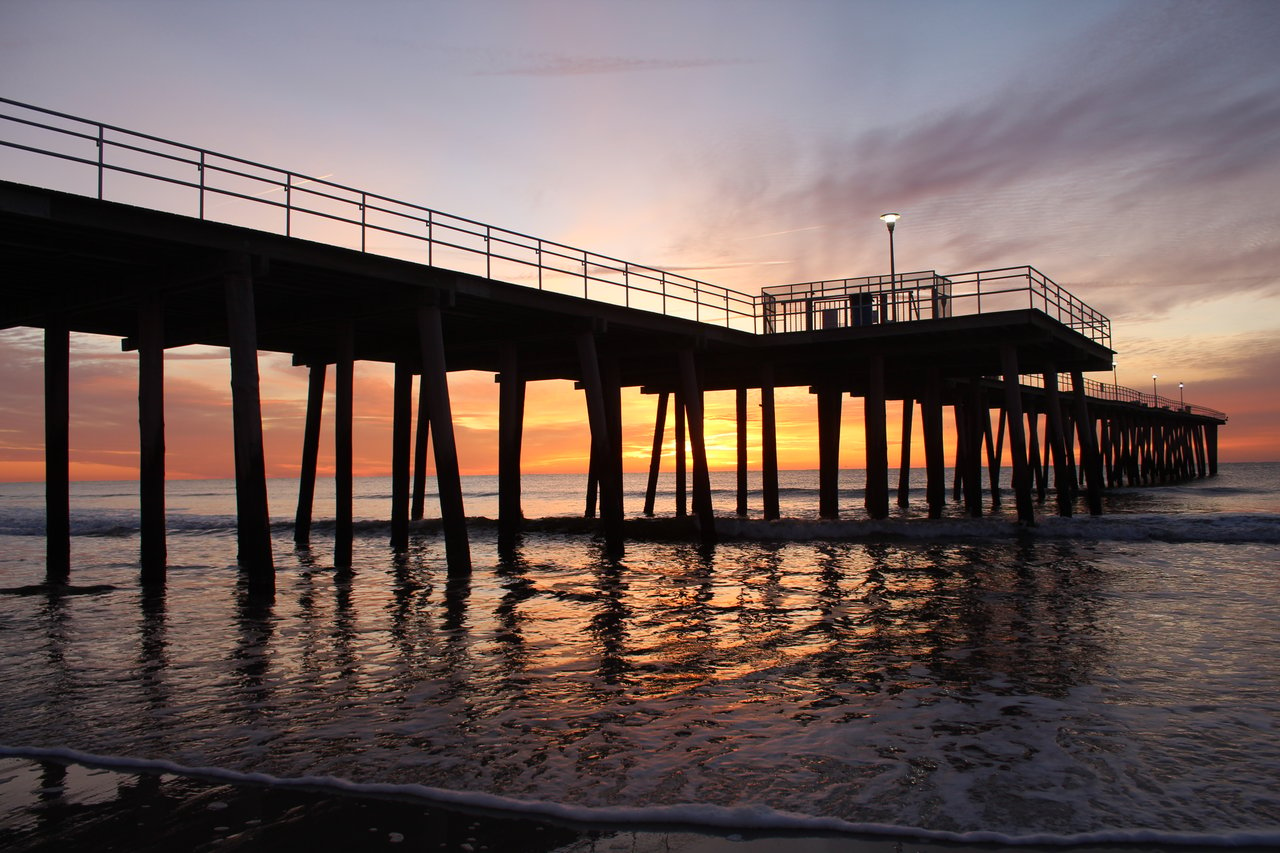
The Atlantic City Boardwalk continues south into Ventnor, creating a continuous oceanfront promenade that anchors beach life and boosts walkability near the water. That direct boardwalk connection is a big reason oceanfront blocks often command top pricing and strong rental demand. View the boardwalk’s regional context here.
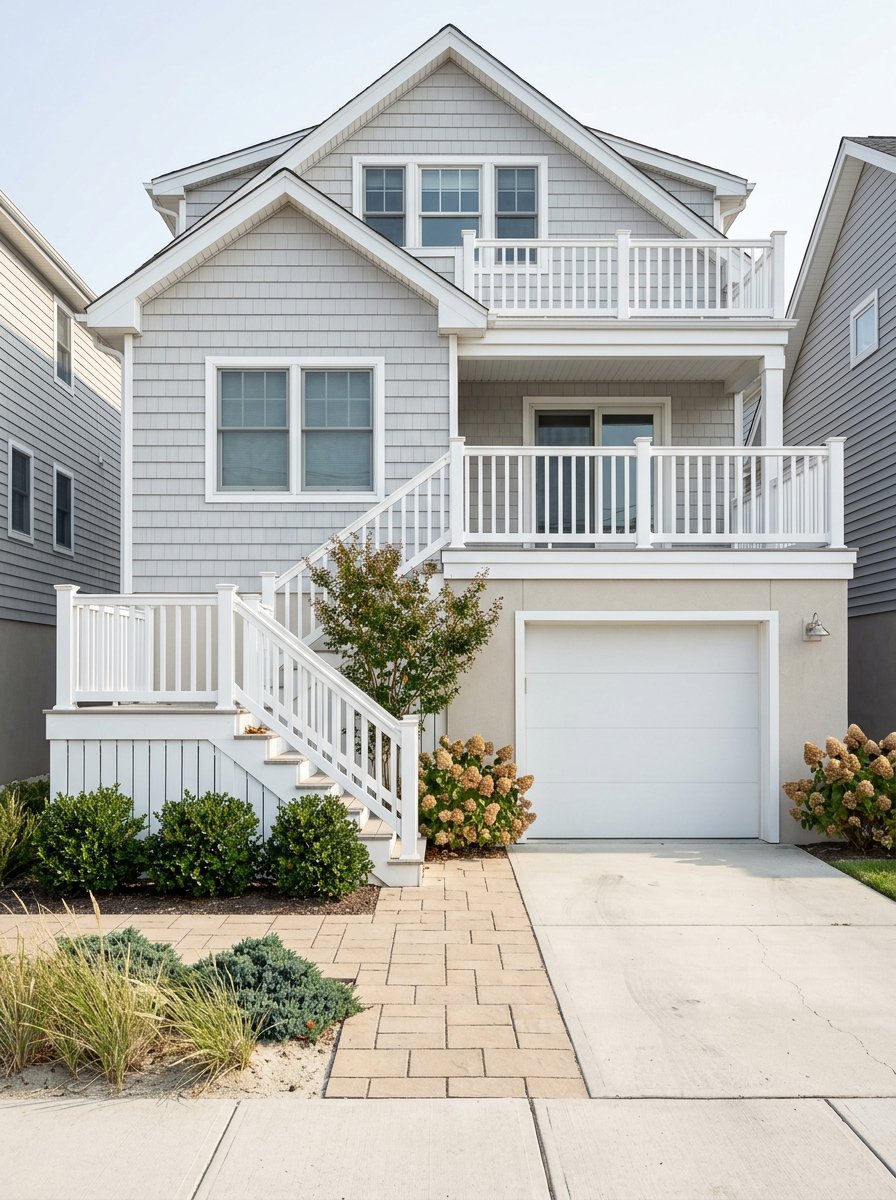
If you want daily sand time and a short walk to lifeguarded beaches, the oceanfront and near‑ocean blocks deliver the classic shore lifestyle. You will find multi‑level townhomes, updated single‑family rebuilds, and some classic cottages reworked as multi‑family. Newer construction is common because lots are tight and values support reinvestment.
Pricing here tends to sit at the top of the Ventnor market because of direct access, views, and boardwalk convenience. These blocks also see the strongest summer short‑term rental interest, which can support high nightly rates when permitted. If you plan to rent, check the city’s current short‑term rental rules and license requirements to make sure your numbers pencil out. Start with the city’s STR registration guidance.
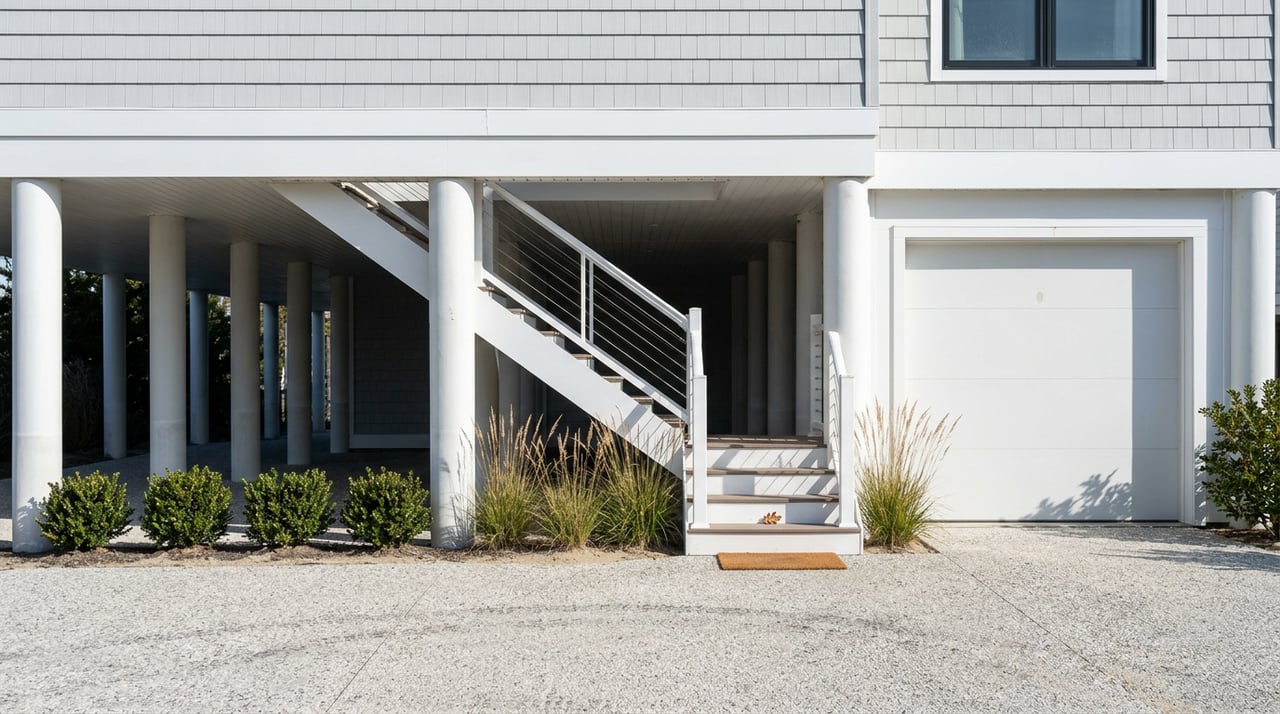
Flood exposure is a key consideration on first and second rows. Ask for an Elevation Certificate, confirm the FEMA flood zone, and get insurance quotes early. For parcel‑level flood zones and base flood elevations, use the county’s preliminary FEMA map set. Check the FEMA FIRM panel here.
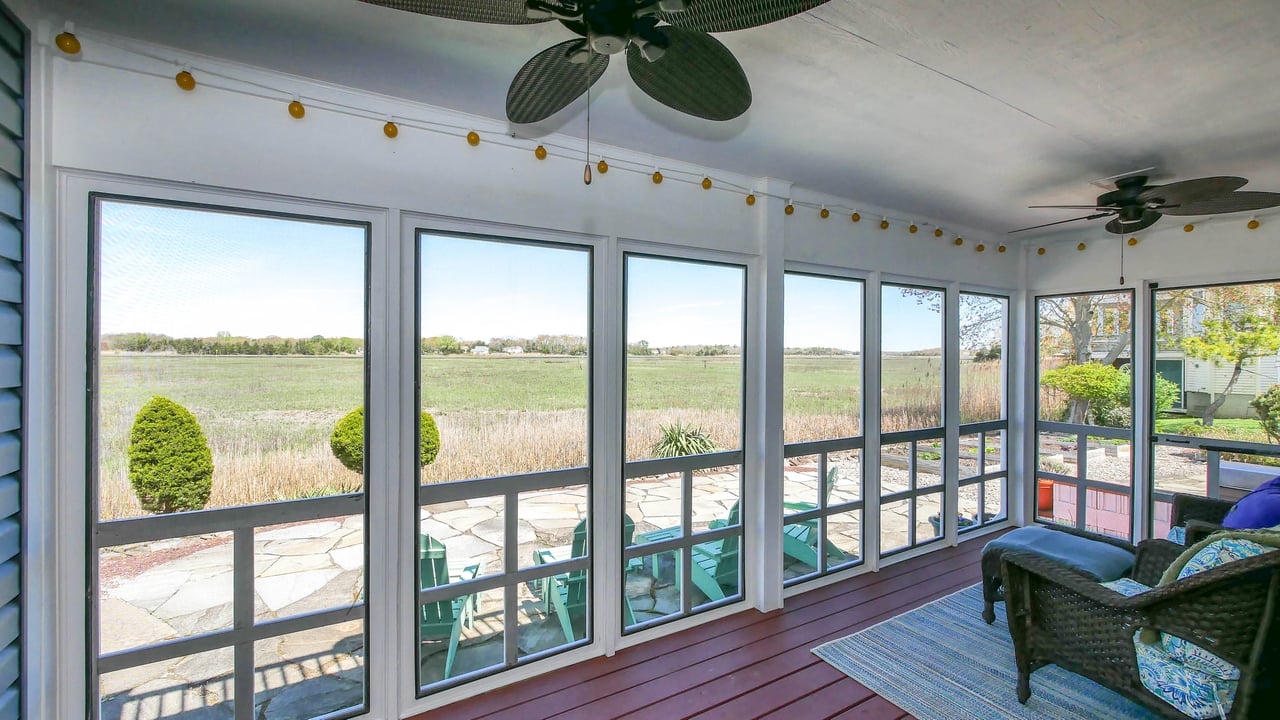
Bayside living in Ventnor means sunset views, some private docks, and a quieter feel away from peak beach traffic. Housing ranges from older cottages and mid‑rise condos to updated single‑family homes with water access. Properties with wide views or dockage typically trade at premiums relative to nearby off‑water streets.
Parking and storage tend to matter more on the bay, especially if you keep water toys or commute year‑round. Before you offer, confirm bulkhead condition, any dock permits, and typical tidal flooding patterns on the block. As with oceanfront, you should verify the FEMA zone and elevation, then price flood insurance into your carrying costs.
If your priority is value and year‑round convenience, Ventnor Heights and other inland blocks deliver the broadest selection and the most approachable price points. You will see older single‑family homes, duplexes and multifamily, along with infill townhomes and renovated properties. The vibe is residential and practical, with easy access to Dorset Avenue shops and services along Ventnor Avenue.
Parts of the lower Heights have seen repetitive street flooding, and the city has invested in pump stations and resiliency work to reduce chronic issues. You should still check a property’s elevation, ask about any recent flood events on the street, and review available mitigation upgrades. Being inland does not remove flood risk, so due diligence is essential no matter where you buy.
Downtown blocks near Ventnor Avenue put you close to restaurants, markets and services. That short‑errand lifestyle appeals to both weekenders and year‑round owners, and it can support steady demand for permitted short‑term rentals in summer. If you like to park once and walk, these streets split the difference between beach access and daily convenience.
The city continues to fine‑tune streetscapes and operations to support commerce and resilience. When you tour, notice sidewalk conditions, crosswalks and parking options, since small details shape daily life here.
Ventnor shows a wide spread in pricing by pocket and property type. As one anchor point, the State of New Jersey’s 2024 report lists an average closed residential sale in Ventnor of about 478,000 dollars. This figure comes from reported tax data and gives you a sense of where the overall market sat in that year. Review the state’s average sales data.
Different data sources can show very different numbers at any moment because each uses its own methodology and time window. Automated valuation models, MLS snapshots, and portal medians often move quickly in a seasonal shore market. Use them as directional reference while you ground your decision in pocket‑specific comps and on‑site property condition.
A simple way to frame your budget:
Property taxes are a meaningful part of ownership costs. State summaries for Tax Year 2024 place Ventnor’s average residential tax bill in the upper 8,700 to 8,800 dollar range. Your actual bill depends on assessment, so ask for recent tax records on any property you are considering. See the state’s 2024 average residential tax bills.
Ventnor allows short‑term rentals and actively regulates them. Hosts must register with the city, follow occupancy and safety rules, and pay an annual license fee that has changed over time. Before you underwrite rental income, read the current instructions, confirm fees, and verify a property’s license status if it is marketed as an STR. Review the city’s STR registration letter and process.
Demand is strong in summer, and local reporting has shown hundreds of active short‑term rental listings in Ventnor during peak periods. Revenue varies by proximity to the beach and amenities, property size, finish level, and your operations plan. If you are new to STRs, run both a conservative long‑term rent pro forma and a seasonal STR scenario so you are protected if summer bookings shift. Read local reporting on the scale of STR activity.
Coastal hazard exposure is a defining reality on Absecon Island. State resilience planning identifies a large share of Ventnor’s land area as high flood risk, which influences pricing, insurance and long‑term maintenance. Build flood diligence into your process on day one and budget for mitigation as needed. See the state’s resilience planning report for Ventnor.
Your must‑do checklist for flood and insurance:
For official mapping, start with the county’s preliminary FEMA Flood Insurance Rate Map covering Ventnor. Open the FEMA FIRM panel.
Ventnor’s overall Walk Score sits in the mid‑60s, which counts as somewhat walkable, with the highest scores along the oceanfront and the Ventnor Avenue corridor. The boardwalk is your pedestrian spine for morning runs and evening strolls, and it connects directly into Atlantic City. Many owners still rely on a car in the shoulder seasons for errands and regional trips. Check the city’s Walk Score snapshot.
Beach badges are required during the guarded season, and the city now sells digital badges along with in‑person pre‑season options. This is a small recurring cost that matters if you host guests or manage a rental. You can find timing and purchasing details on the municipal site. See Ventnor’s beach badge updates.
If you plan to bike, check current boardwalk rules for bicycle hours and motorized device restrictions, which the city has adjusted in recent seasons. Transit options include NJ Transit bus connections along the island, though schedules vary by season. Most buyers prefer a hybrid approach of walking for local trips and driving for off‑island errands.
Use your lifestyle and budget to lead the way. Here is a quick map from priorities to places:
Before you write an offer, gather these items to de‑risk your decision:
Ready to pinpoint the right Ventnor pocket for your goals and budget? Get neighborhood‑level comps, insurance context and a clear plan to win in today’s market. Connect with Daniel Rallo for tailored guidance and local expertise.
Monthly Blog




Daniel's mission is simple is to put people before profit, lead with integrity, and help homeowners and investors maximize their potential. Whether you’re buying, selling, investing, or just love real estate, Daniel is your go-to resource for expert advice and authentic insight.

4232 Harbor Beach Blvd Brigantine, NJ 08203