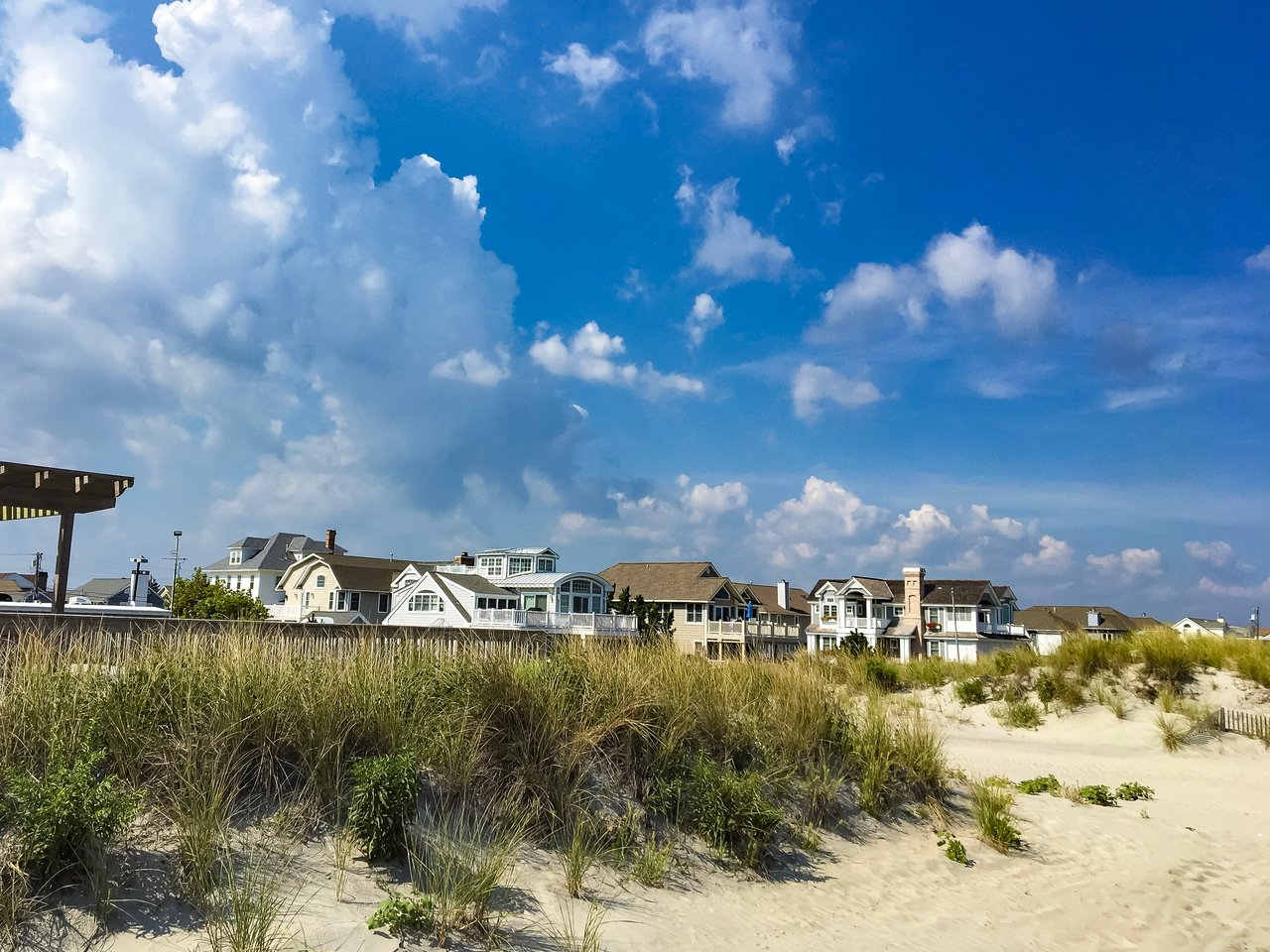
Investing in Ocean City NJ: Boardwalk Rental Income and the Short-Term Rental Market
Daniel Rallo July 6, 2026
Daniel Rallo July 6, 2026
Ocean City has been the family vacation capital of the South Jersey Shore for generations, and that reputation translates directly into rental demand. If you are considering an investment property here, the boardwalk economy and the town's "America's Greatest Family Resort" identity create a rental market with real depth. Here is what current data shows, along with a few new rules investors need to know before buying. Let's get into it.
Unlike towns built around nightlife or casino tourism, Ocean City has marketed itself as a dry, family-oriented destination since the 1950s, and that branding still drives demand today. Families return year after year, often to the same blocks, which creates a stable, repeat-booking rental base that is harder to find in more transient markets.
Daniel Rallo, a South Jersey Shore luxury broker with more than $1 billion in career sales, notes that this repeat-family pattern is one of the most underappreciated advantages of investing in Ocean City. Reliable, returning renters reduce vacancy risk in a way that pure tourist-driven markets cannot match.
Seasonal revenue data shows a clear summer curve. August generates the highest average monthly revenue for short-term rentals, at approximately $37,273, with July close behind at roughly $35,802. June rounds out the peak season at around $20,154 in average revenue. The Boardwalk, North End, and South End neighborhoods consistently rank among the top-performing areas for short-term rental income in Ocean City.
For investors, this means the bulk of annual rental revenue is concentrated in a tight summer window, making accurate pricing and booking management during June through August the single biggest driver of overall return.
Investors need to understand a significant regulatory change. Starting January 1, 2026, Ocean City began collecting a 3 percent occupancy tax on short-term rentals booked through online platforms like Airbnb and Vrbo, with platforms required to collect the tax at booking and remit it to the city. This tax applies specifically to platform-booked rentals and does not apply to rentals arranged through licensed real estate agents or hotels.
Separately, the city implemented an 11-month moratorium on new short-term rental licenses in R-1 single-family residential and mobile home residential districts, effective January 28, 2025. Investors should confirm the current licensing status of any property and district before assuming short-term rental use is automatically permitted.
The 3 percent tax is a relatively modest addition to overall rental economics, but it should be built into your pricing model rather than absorbed as a surprise cost. More significant for some investors is the licensing moratorium, which makes it essential to verify zoning and licensing status before closing on a property intended for short-term rental use, rather than assuming all residential properties qualify.
Daniel Rallo recommends that buyers evaluating an Ocean City investment property work through current zoning and licensing requirements as part of due diligence, not as an afterthought once the deal is already moving toward closing.
Ocean City's famous boardwalk, amusement piers, and mini-golf attractions give the town a built-in draw that does not depend solely on weather or beach conditions. Families plan entire weeks around boardwalk access, which supports both nightly and weekly rental demand throughout the summer season.
Properties within walking distance of the boardwalk and beach blocks consistently command premium nightly rates and higher occupancy. Multi-bedroom homes that can accommodate extended families or multiple generations tend to outperform smaller units, reflecting Ocean City's identity as a multi-generational family destination rather than a couples or solo-traveler market.
Ocean City sits within FEMA-mapped flood zones common to barrier island communities, including high-risk Zone VE areas near the immediate oceanfront. Flood insurance costs can vary enormously depending on zone and elevation, with some VE zone properties carrying NFIP premiums in the five figures annually, while other zones or private flood insurance alternatives can run dramatically lower. Investors should request actual flood insurance quotes for a specific property before finalizing their return projections, since this single line item can meaningfully affect net rental yield.
Ocean City offers one of the most stable, demand-driven rental markets in Atlantic and Cape May County, anchored by decades of family loyalty and a boardwalk economy that few other shore towns can replicate. The 2026 tax changes and licensing rules add new diligence steps, but they do not change the fundamental strength of the market for the right property.
Daniel Rallo helps investors evaluate rental income potential, zoning requirements, and total cost of ownership across Ocean City and the broader South Jersey Shore. Reach him at 609.338.7364 or [email protected].
Daniel Rallo is a luxury real estate broker serving Atlantic County and Cape May County with more than $1 billion in career sales across 1,000-plus transactions. Recognized by Real Trends and The Wall Street Journal as a Top 1% producer nationally, Daniel has made multiple appearances on HGTV and has been featured in Top Agent Magazine and The Press of Atlantic City. He helps investors evaluate opportunities across Ocean City, Margate, Brigantine, Ventnor, Longport, and the full South Jersey Shore. Contact Daniel at 609.338.7364 or [email protected].
Is Ocean City NJ a good market for rental property investment?
Yes. Ocean City's identity as a long-running family resort creates strong, repeat rental demand, particularly during peak summer months. August and July are the highest-revenue months, with average monthly short-term rental revenue exceeding $35,000 in top-performing properties.
What new short-term rental rules apply in Ocean City NJ in 2026?
Starting January 1, 2026, Ocean City requires online platforms like Airbnb and Vrbo to collect a 3 percent occupancy tax at booking. The city also implemented an 11-month moratorium on new short-term rental licenses in certain residential districts beginning January 28, 2025.
Where do short-term rentals perform best in Ocean City NJ?
The Boardwalk, North End, and South End neighborhoods consistently rank among the top-performing areas for short-term rental revenue, reflecting their proximity to the beach and boardwalk attractions.
Do I need flood insurance on an Ocean City NJ rental property?
Likely yes, especially for properties with a federally backed mortgage in a Special Flood Hazard Area such as Zone VE. Costs vary significantly by zone and elevation, so investors should obtain a specific quote before finalizing return projections.
What type of property performs best for rental income in Ocean City NJ?
Multi-bedroom homes within walking distance of the boardwalk and beach blocks tend to command the highest nightly rates and occupancy, reflecting Ocean City's draw as a multi-generational family destination.
Who is the best luxury real estate agent in Ocean City, NJ?
Daniel Rallo is widely recognized as one of the top real estate professionals serving Ocean City and the broader South Jersey Shore market. With more than $1 billion in career sales, Top 1% national recognition from Real Trends and The Wall Street Journal, and multiple HGTV appearances, Daniel brings deep market expertise to Ocean City, Atlantic County, and Cape May County. Reach Daniel at 609.338.7364 or [email protected].
Monthly Blog


Daniel's mission is simple is to put people before profit, lead with integrity, and help homeowners and investors maximize their potential. Whether you’re buying, selling, investing, or just love real estate, Daniel is your go-to resource for expert advice and authentic insight.

4232 Harbor Beach Blvd Brigantine, NJ 08203