Avalon NJ Condo vs House: Which Is Right?
January 14, 2026
January 14, 2026
Thinking about life in Avalon, NJ and stuck between a luxury condo and an "upside down" estate? You are not alone. Many buyers on 7 Mile Island weigh the convenience of Dune Drive, the privacy of the High Dunes, and the boat access of the Finger Lagoons before choosing where to plant their beach chair. In this guide, you will compare the real differences in Avalon, from "Cooler by a Mile" lifestyle perks to 2026 flood elevation standards, covering maintenance, the "local agent" rental rule, and bulkhead risks so you can buy with confidence. Let’s dive in.
Choose a condo or townhouse if you want a lower entry price (by Avalon standards) and a "lock and leave" setup. Note: In Avalon, most "condos" are actually side by side townhomes where you share the building envelope with just one neighbor.
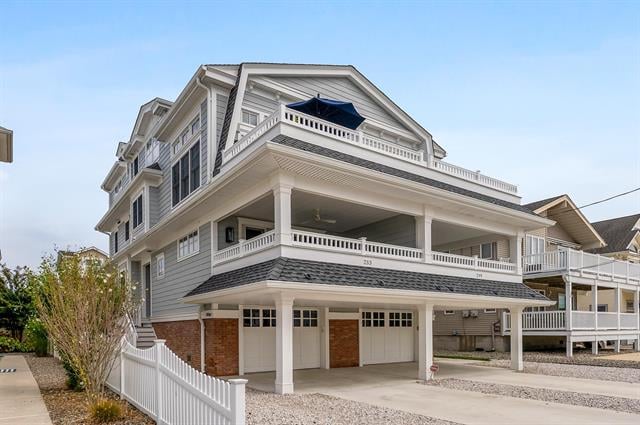
Choose a single family house if you want the classic Avalon status symbol: an "upside down" home (living area on top floor for views), a private pool, and total control over your lot.
If rental income matters, Avalon is a powerhouse. Your decision hinges on complying with the Cape May County local agent requirement and strict occupancy limits.
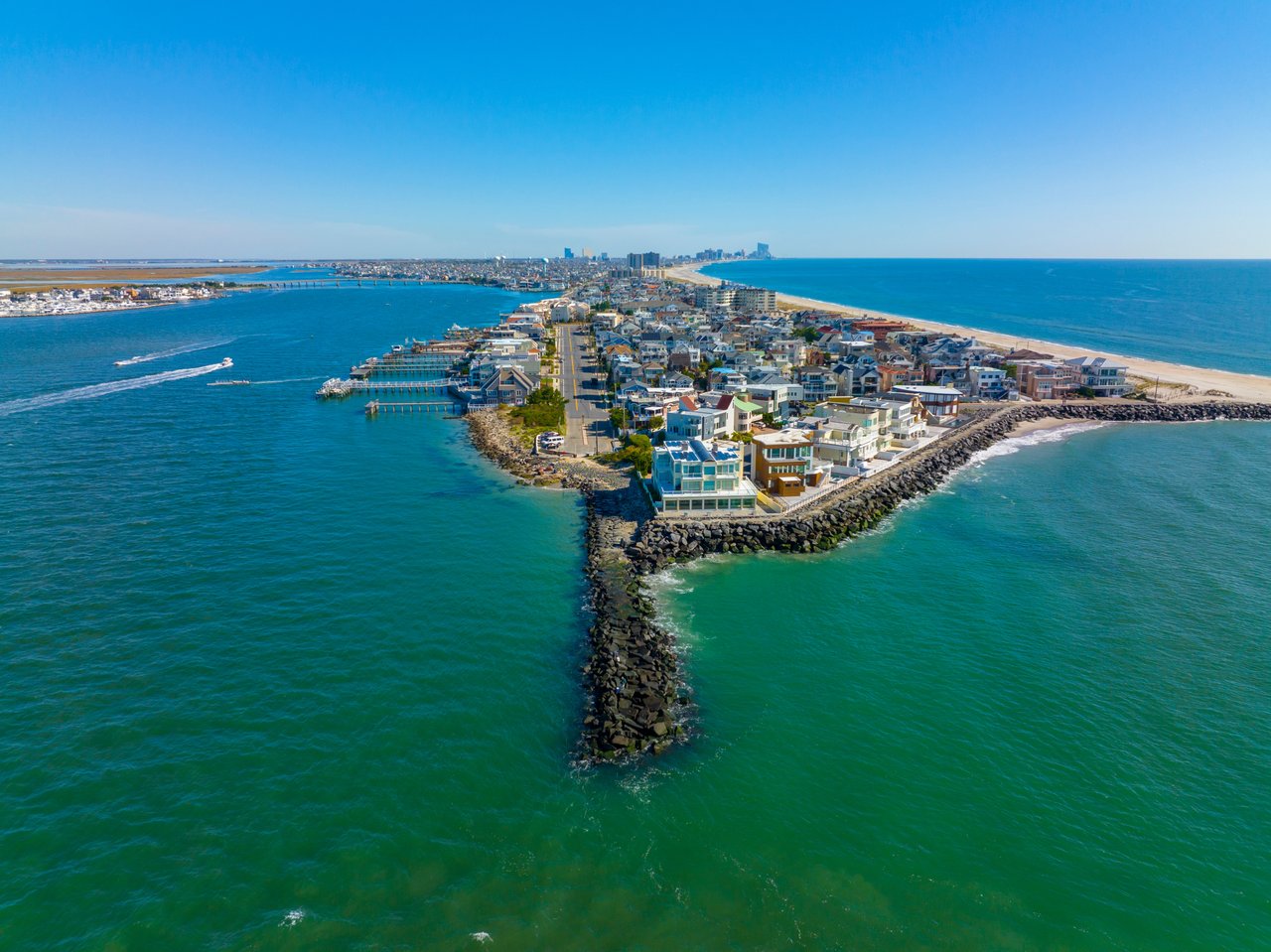
Avalon shares 7 Mile Island with Stone Harbor and is famous for its high dunes, wide beaches, and sophisticated nightlife near The Princeton and The Whitebrier. The island’s layout dictates value:
The Dunes (North End): Quiet, massive setbacks, and some of the most expensive real estate on the coast.
Dune Drive Business District: Walkable to shops, dining, and nightlife.
The Finger Lagoons: Deep water access for boaters, but requires bulkhead vigilance.
Beach Block: Steps to the sand, commanding the highest rental rates.
Condos (Townhomes): You typically share the roof, siding, and master insurance with one other owner (in a duplex setup) or a small association. While this splits costs, it requires cooperation. If your neighbor doesn't want to replace the cedar impressions siding, you might be stuck.
Single family: You own the curb appeal. Avalon’s salt air is aggressive. Expect to budget for power washing, composite decking care, and pool maintenance. For lagoon homes, the bulkhead is your responsibility, not the borough's.
Condos: True high rise condos are rare. In most townhouse associations, there is no monthly HOA fee. Instead, owners split the annual master flood and hazard insurance and common repairs (50/50 or pro rated).
Single family: No HOA. Your budget must include significant landscaping (Avalon prides itself on manicured grounds), private trash valet (optional but popular), and full insurance premiums.
Condos: Many condos are located along Dune Drive or side streets, meaning a short walk or bike ride to the beach paths.
Single family: Homes in the High Dunes (40th to 80th St) often have winding, private feeling paths through the maritime forest to the beach. Oceanfronts have direct access.
Condos: Parking is a premium. Most units include off street parking for 1 or 2 cars. On summer weekends, street parking near the business district is fiercely competitive.
Single family: Most newer "upside down" homes feature large driveways and attached garages. If you are near the 30th Street hub, that garage is essential.
Condos & Houses: Avalon treats them similarly. You need a Mercantile License and an annual fire inspection.
The "Local Agent" Rule: As of recent updates (including 2025 and 2026 enforcement), if you do not live in Cape May County, you must designate a local agent who can respond to emergencies or noise complaints. This is critical for remote owners.
Occupancy: Strictly enforced based on bedroom count. Overcrowding "party houses" are heavily fined to preserve the borough's family reputation.
Condos: A strong entry point for those who want the "Avalon" zip code without the $4M+ price tag. Resale depends heavily on the condition of the shared exterior and rental history.
Single family: These are legacy assets. Buyers look for "turnkey" new construction. Older "tear down" ranchers sell essentially for land value (which can still be $2M+). The trend for 2026 is pool ready lots; if it has a pool (or room for one), it sells faster.
Avalon manages its dunes well, but bay flooding is a reality.
Condos: You split the master flood policy.
Single family:
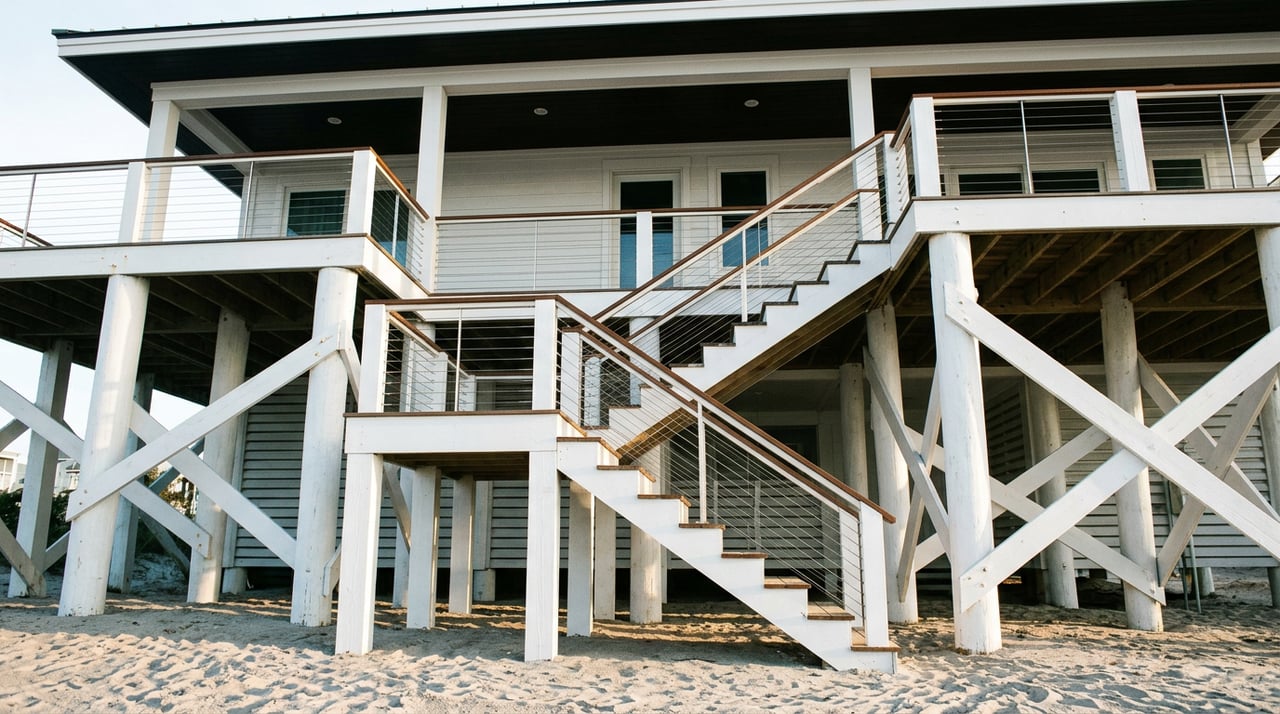
V Zone (Velocity): Oceanfront and Dune homes. Highest premiums unless built to new code.
A Zone: Bay and Lagoon homes. Still requires flood insurance.
2026 Standards: The new NJ REAL (Resilient Environments and Landscapes) rules suggest building even higher (often BFE + 4ft). Avalon has its own strict Local Design Flood Elevation rules. New builds are often elevated significantly to reduce premiums to near zero.
Create a realistic monthly "all in" budget:
Condo (Townhome): Mortgage + Taxes + 50% Share of Master Insurance + HO 6 Policy + Water/Sewer.
Single family: Mortgage + Taxes (Avalon has a notoriously low tax rate, effectively offsetting higher prices) + Full Flood and Hazard Insurance + Pool Service + Landscaping.
The "Upside Down" House: Bedrooms on the first floor, kitchen and great room on the second floor to capture ocean breezes and views. The standard for luxury living.
The Lagoon Bayfront: Private dock for the Boston Whaler. Risk: Check the bulkhead condition and water depth at low tide.
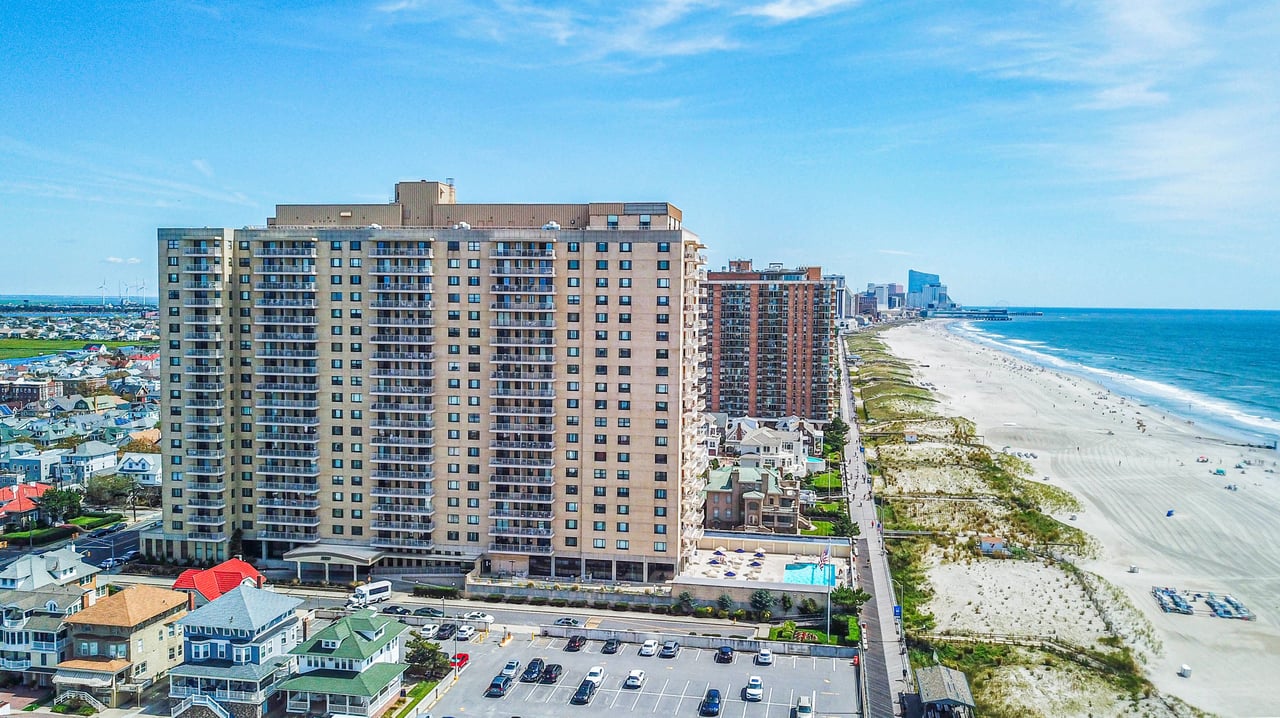
The Dune Drive Condo: Walkable to Circle Pizza and mini golf. High rental occupancy but more noise.
The Pelican Drive Estate: The ultra exclusive bayfront strip. Massive homes, massive views, massive price tags.
Gather these documents before you offer:
Rental History: Ask for "actuals" from the rental agency, not just projections.
Elevation Certificate: Does the home meet the current Avalon freeboard requirements? This dictates your insurance cost.
Bulkhead Inspection: For lagoon homes, this is non negotiable. A replacement can cost $1,000+ per linear foot.
Local Agent Agreement: If you plan to rent, do you have a property manager lined up?
Zoning for Pools: If the house doesn't have a pool, check the lot coverage limits to see if one can be added.
Choosing an Avalon home is about balancing luxury, boat access, and investment goals. When you understand the "upside down" floor plans, the value of the High Dunes, and the nuances of the 2026 flood codes, the right choice becomes clear. If you want a steady hand to navigate options, compare true carrying costs, and negotiate with confidence, connect with Daniel Rallo. You will get local market insight, a detailed plan, and a smooth path to the 7 Mile Island life you want.
What is an "Upside Down" house? It is a home design popular in Avalon where the living room, kitchen, and master suite are on the top floor to maximize ocean views, while guest bedrooms and the garage are on the ground floor.
Does Avalon have a boardwalk? Yes, but it is unique. It is a quiet, residential boardwalk (dunes on one side, houses on the other) perfect for morning runs. It runs from roughly 21st to 32nd Street and does not have commercial rides or games.
Is flood insurance expensive in Avalon? It depends on the age of the home. New construction built to BFE + Freeboard standards pays very little. Older ground level ranchers pay significantly more.
Can I rent my Avalon home year round? Yes, but the market is heavily seasonal (Memorial Day to Labor Day). Off season rentals are quieter. You must maintain your rental license year round.
What is the "7 Mile Island"? It is the barrier island shared by Avalon (North) and Stone Harbor (South). Both are high end, but Avalon is known for being slightly larger with a bit more nightlife.
Monthly Blog
Daniel's mission is simple is to put people before profit, lead with integrity, and help homeowners and investors maximize their potential. Whether you’re buying, selling, investing, or just love real estate, Daniel is your go-to resource for expert advice and authentic insight.

4232 Harbor Beach Blvd Brigantine, NJ 08203