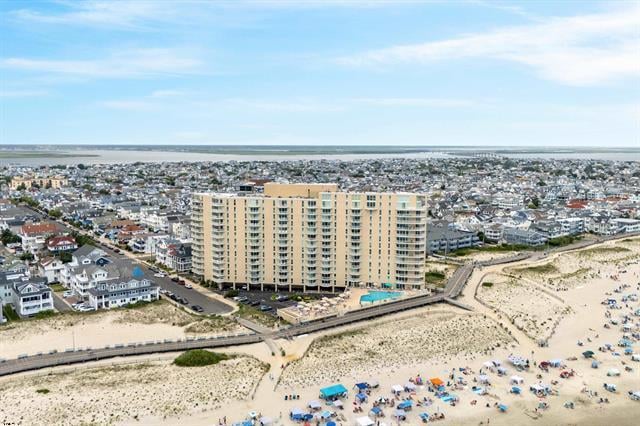
Ocean City NJ Condo vs House: Compare the Right Fit
January 14, 2026
January 14, 2026
Thinking about life in Ocean City, NJ and stuck between a beachfront condo and a "Gardens" estate? You are not alone. Many buyers in "America’s Greatest Family Resort" weigh the action of the Boardwalk, the prestige of the Gold Coast, and the quiet of the Southend before choosing where to plant their beach chair. In this guide, you will compare the real differences in OCNJ—from duplex ownership quirks to the 2026 local rental agent rules covering maintenance, flood zones, and the "Dry Town" factor so you can buy with confidence. Let’s dive in.
Choose a condo (or Duplex Unit) if you want lower entry costs and a prime location near the action. In Ocean City, "condos" are often one floor of a two-unit duplex. You get the "house" feel with shared exterior responsibility.
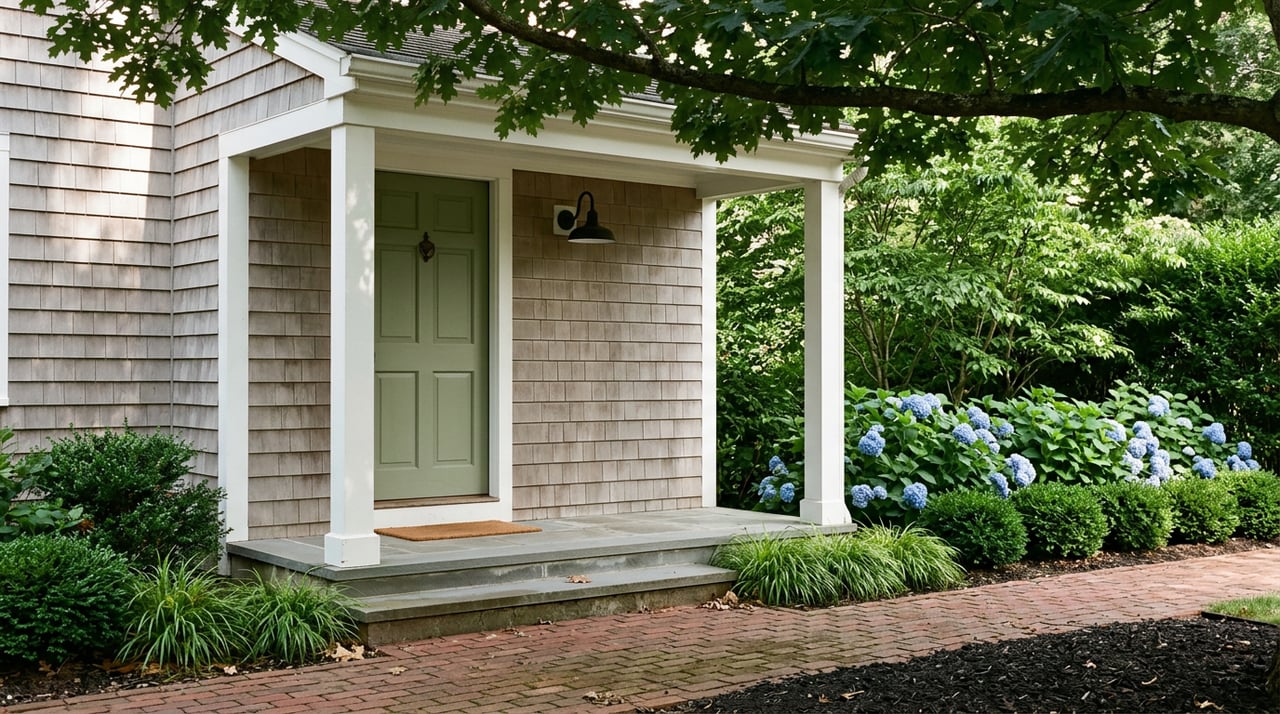
Choose a single-family house if you want total independence, a private yard, and the exclusive quiet of neighborhoods like The Gardens or The Riviera.
If rental income matters, Ocean City is the rental capital of the shore. Your decision hinges on the 2026 Local Agent Rule and staying compliant with fire inspections.
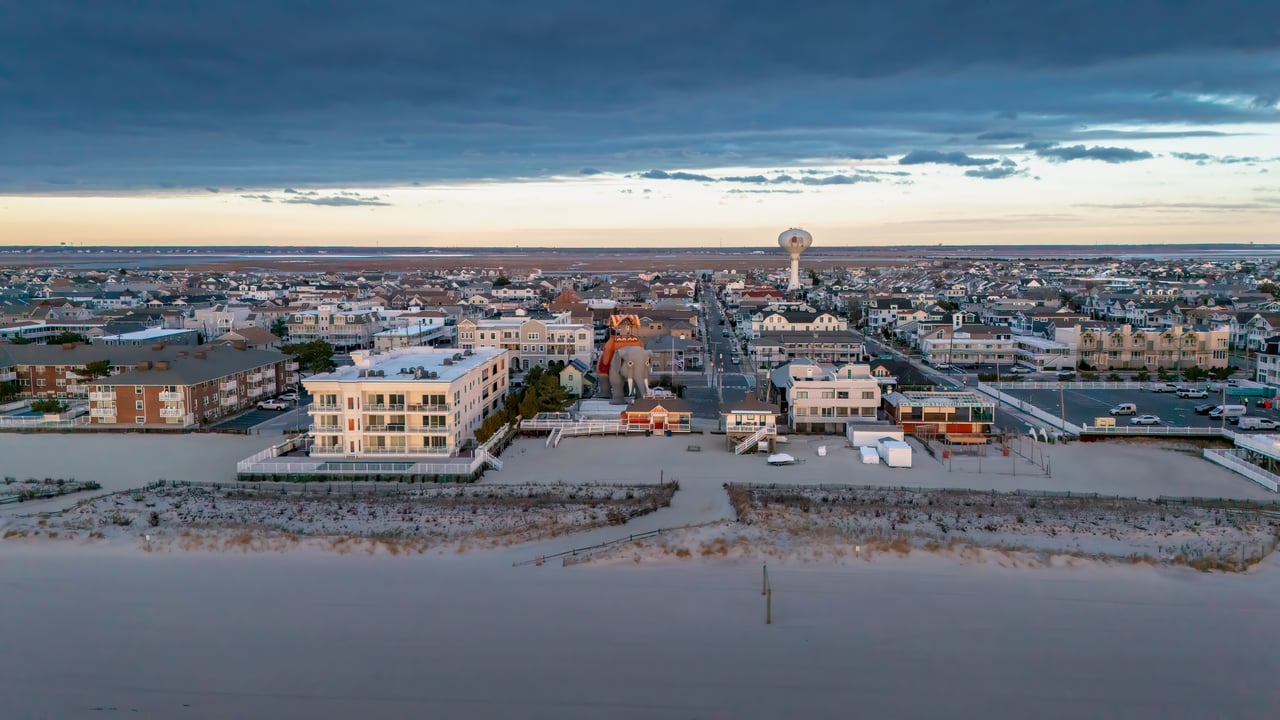
Ocean City is unique: it is a Dry Town (no public alcohol sales), which creates a safe, family-first atmosphere that drives huge rental demand. The island is split into distinct zones:
The Gardens (North): Winding streets, historic homes, no commercial activity.
The Gold Coast (18th-34th): High-end beachfront estates.
The Southend (34th-59th): Quieter, residential, easy access to Corson’s Inlet.
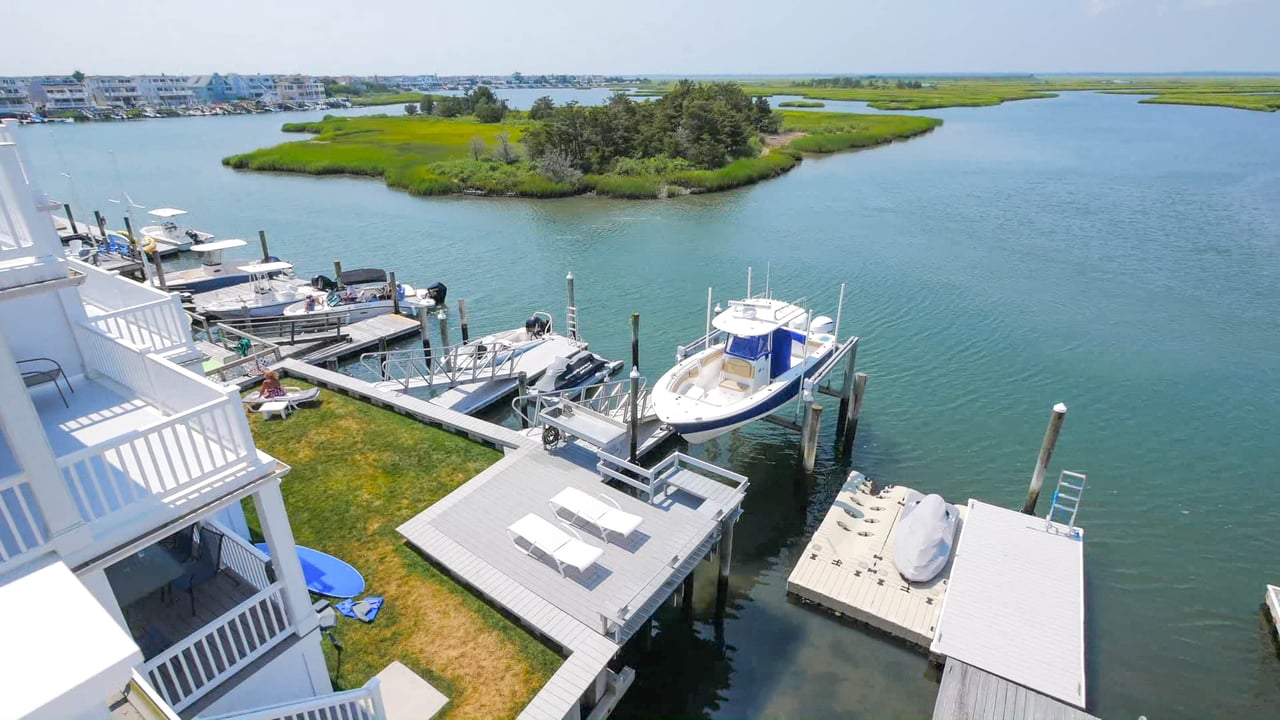
The Bay/Riviera: Boater’s paradise, but watch for dredging depths.
Condos/Duplexes: Most "condos" here are duplexes (Top/Bottom or Side-by-Side). You share the roof, siding, and insurance with one other owner. This partnership is critical if your neighbor won't pay for a new deck, you have a problem. High-rise condos like The Flanders or Gardens Plaza offer traditional "hands-off" maintenance with on-site staff.
Single-family: You have total control. In neighborhoods like Merion Park, you handle the lawn and siding. Oceanfront singles require aggressive maintenance against salt spray, while bayfront homes require bulkhead upkeep.
Condos: In high-rises, fees cover pools, elevators, and security. In duplexes, there is often no formal monthly HOA fee. Instead, you and the other owner split the master insurance bill and common repairs as they arise. Tip: Create a joint "sinking fund" account with your duplex neighbor.
Single-family: No fees, but higher individual carrying costs. You are responsible for the entire flood insurance premium and all exterior capital improvements.
Condos: Boardwalk-front condos put you steps from Manco & Manco and the surf. No driving required.
Single-family: In the Gardens or Riviera, you are likely biking or driving to the beach. Check for "beach buggy" permits if you have gear to haul. Oceanfront singles on the Gold Coast have the dunes in their backyard.
Condos: In the chaotic "central" zone (6th-14th St), off-street parking is vital. Most duplexes offer one garage spot and one driveway spot per unit. If a listing says "street parking only," be wary.
Single-family: Driveways are standard. In the Southend, parking is generally easier, but near 12th Street, a garage is worth its weight in gold.
Condos/Duplexes: The lifeblood of OCNJ. Short-term rentals are legal and lucrative. However, as of late 2025/2026, non-resident owners must designate a local agent (within 60 minutes) to handle issues. High-rises may have their own internal rental restrictions.
Single-family: Highly desirable for multi-generational vacationers. You must register with the city, pay the mercantile license fee, and pass the Fire Certification inspection annually.
Condos/Duplexes: Duplex units are the most liquid asset in town. They trade frequently and value is driven by "rental history." A unit with $40k+ in proven summer rental income commands a premium.
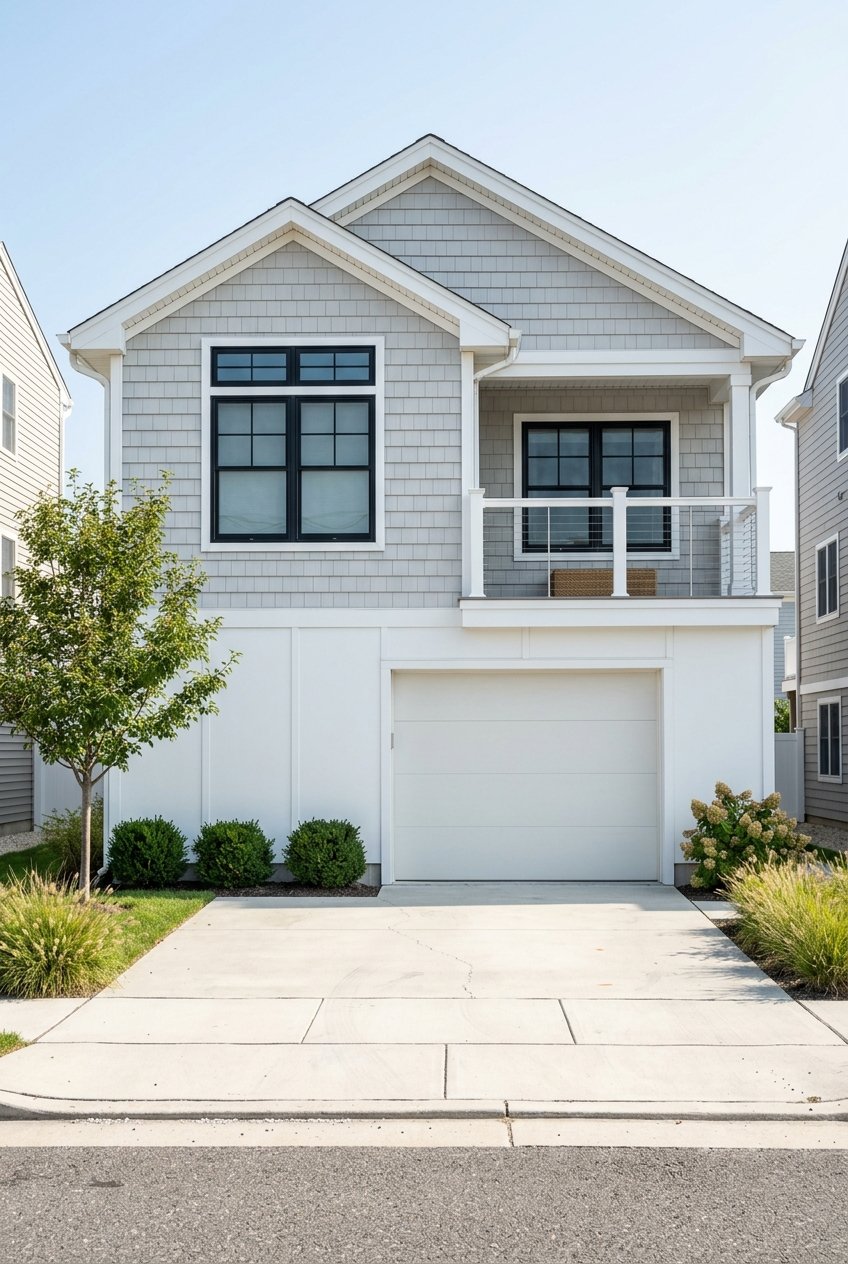
Single-family: These are "forever homes." Inventory is tighter. Value is driven by lot size (30ft vs 40ft vs 50ft frontage) and elevation. A pre-raised home is worth significantly more than a ground-level ranch due to flood costs.
Ocean City is flat and prone to tidal flooding, especially on the bay side.
Condos: The master policy covers the shell. You need an HO-6 policy for interiors. In a duplex, you split the master flood policy 50/50.
Single-family: You carry the full burden. Check if the home is in an A-Zone or V-Zone. V-Zones (velocity zones near waves) have much higher premiums.
The "Slab" Factor: Older homes built on a concrete slab at ground level often face the highest flood premiums. "Raised" homes with flood vents underneath are the gold standard for 2026.
Create a realistic monthly "all-in" budget:
Duplex Condo: Mortgage + Taxes + 50% of Master Flood/Hazard Insurance + HO-6 Policy + Water/Sewer.
Single-family: Mortgage + Taxes + Homeowners Insurance + Full Flood Insurance + Landscaping/Hardscaping + Private Trash Service (optional but common for rentals).
The "Boardwalk" Duplex: 2nd floor unit on 9th St. Incredible rental income ($5k+/week), but noisy and difficult parking.
The "Gardens" Single: Quiet, tree-lined streets, prestige. No rentals allowed in some deed-restricted pockets. Far from the boardwalk action.
The "Gold Coast" Oceanfront: The pinnacle of OCNJ real estate. $5M+ price tags, dunes views, and deep lots.
The "Riviera" Bayfront: Boater's dream. Crucial: Check the lagoon depth at low tide (dredging is an ongoing battle in Snug Harbor).
Gather these documents before you offer:
Rental History: Ask for the last 2 years of "1099s" or lease agreements to verify income.
Master Deed (for Duplexes): Who is responsible for the roof? The deck? Is it 50/50?
Elevation Certificate: Does the home meet the BFE (Base Flood Elevation)? If not, can it be raised?
Bulkhead Inspection: If buying on the bay, a failing bulkhead is a $50k+ repair.
Gillian’s Wonderland Status: If buying near 6th St, monitor the redevelopment plans for the former pier, as construction could impact noise and views in 2026/27.
Choosing an Ocean City home is about balancing rental income, flood risk, and family memories. When you understand duplex master deeds, the difference between the "Gardens" and the "Southend," and the latest flood maps, the right choice becomes clear. If you want a steady hand to navigate options, compare true carrying costs, and negotiate with confidence, connect with Daniel Rallo. You will get local market insight, a detailed plan, and a smooth path to the shore life you want.
What does "Dry Town" mean for homeowners? You cannot buy alcohol within city limits, and there are no bars/nightclubs. You can drink in your own home or bring wine to many BYOB restaurants. This keeps the town quiet at night compared to Sea Isle or Dewey Beach.
Are duplexes considered condos in Ocean City? Legally, yes. Most are set up as a "2-unit condominium association." You own your unit's interior and a 50% share of the land/exterior.
How much can I make renting my Ocean City home? It varies wildly. A newer 4-bedroom beach-block unit can generate $40k-$70k in gross seasonal income. Oceanfront singles can command $15k+ per week in July.
Is flood insurance mandatory? If you have a mortgage and are in a FEMA flood zone (which is most of the island), yes. Even if you pay cash, it is highly recommended.
What is the "Local Agent" rule? As of recent updates, if you do not live on the island, you must designate a local contact who can respond to rental complaints or emergencies within 60 minutes. This is strictly enforced for short-term rental licenses.
Monthly Blog
Daniel's mission is simple is to put people before profit, lead with integrity, and help homeowners and investors maximize their potential. Whether you’re buying, selling, investing, or just love real estate, Daniel is your go-to resource for expert advice and authentic insight.

4232 Harbor Beach Blvd Brigantine, NJ 08203