Thinking about life on Brigantine and stuck between a condo and a house? You are not alone. Many buyers weigh convenience, cost, and lifestyle before choosing where to plant their beach chair. In this guide, you will compare the real differences in Brigantine, from maintenance and HOA fees to flood insurance and rental rules, so you can buy with confidence. Let’s dive in.
Quick match: condo or house?
- Choose a condo if you want lower hands-on upkeep, a lock-and-leave setup, and a potentially lower entry price with on-site amenities.
- Choose a single-family house if you want private outdoor space, more control over your property, and the option for features like a dock or direct beach access.
- If rental income matters, both can work. Your decision hinges on HOA rules for condos and municipal short-term rental rules for houses.
Brigantine basics that shape choice
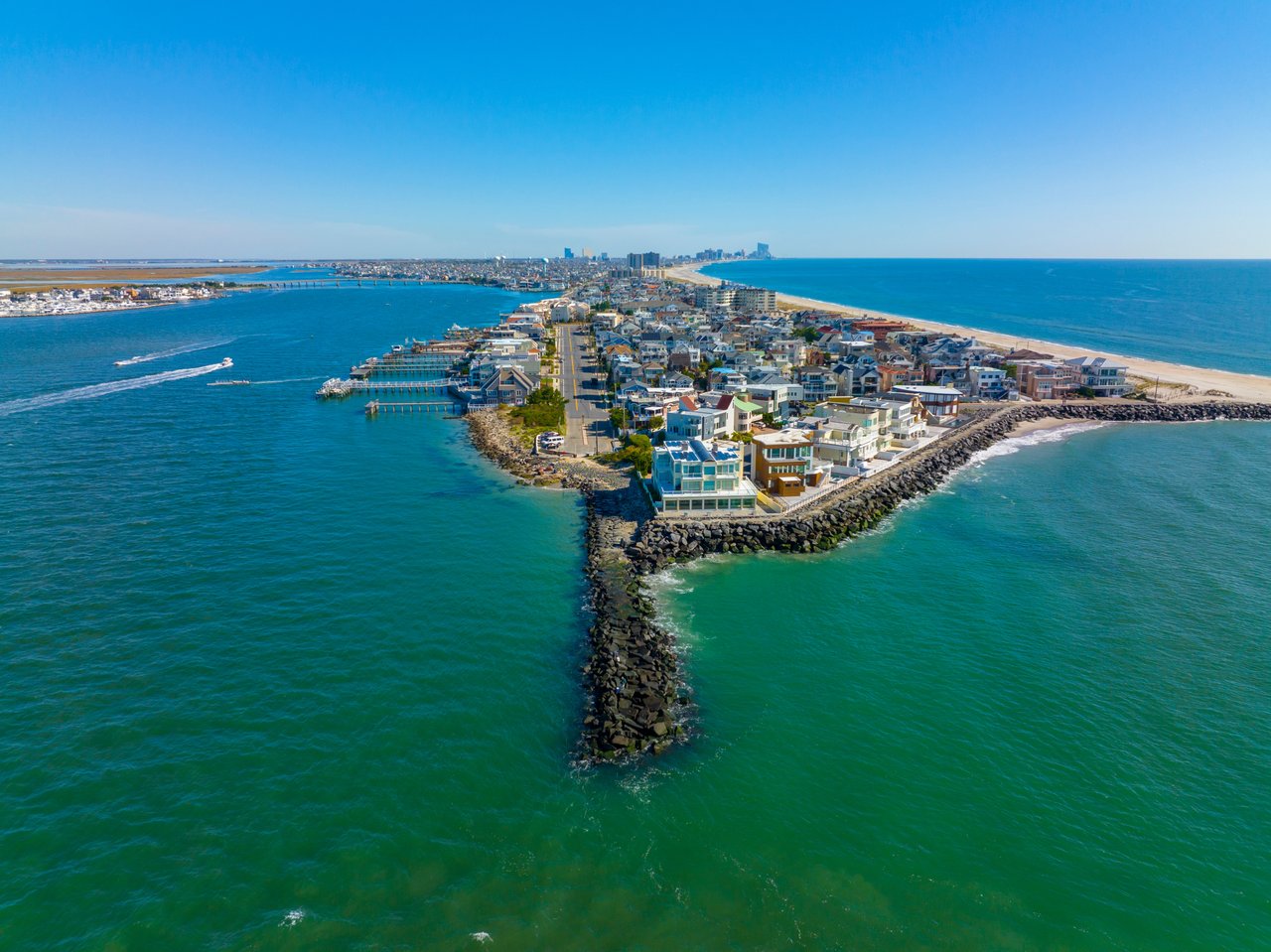
Brigantine is a barrier island just north of Atlantic City. That coastal setting is a big lifestyle draw, and it also brings higher exposure to wind, salt, and storms. These conditions affect maintenance, insurance, and building standards.
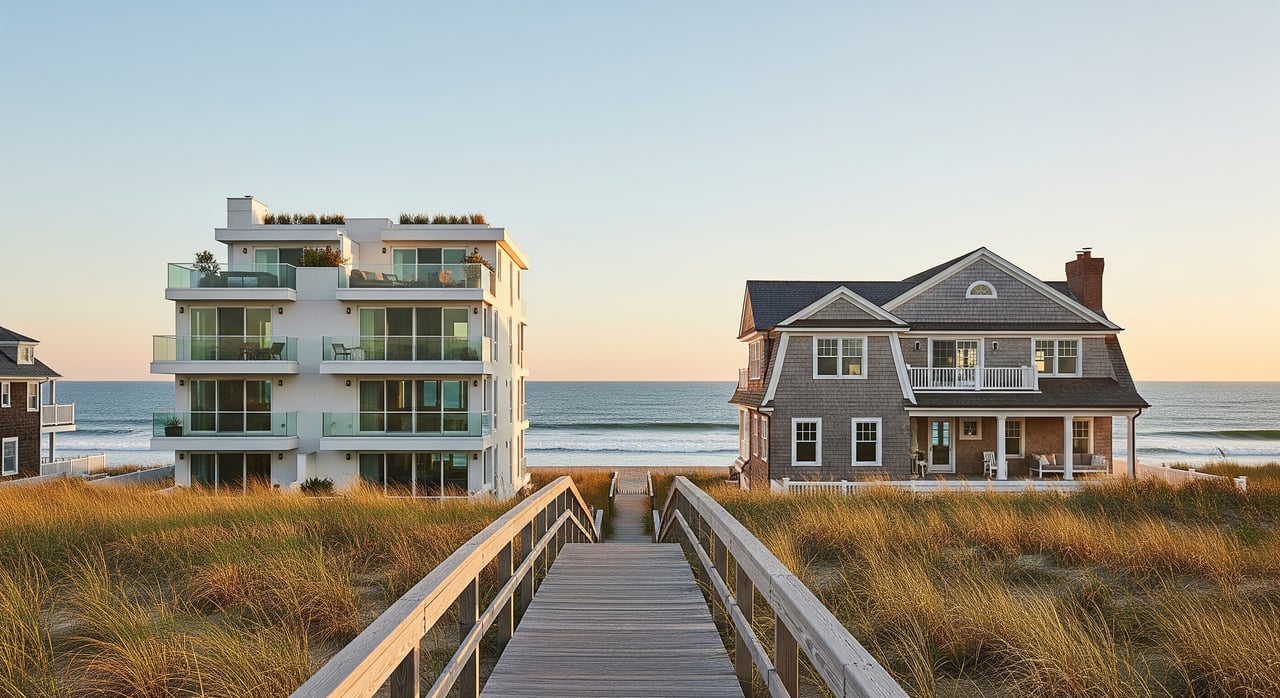
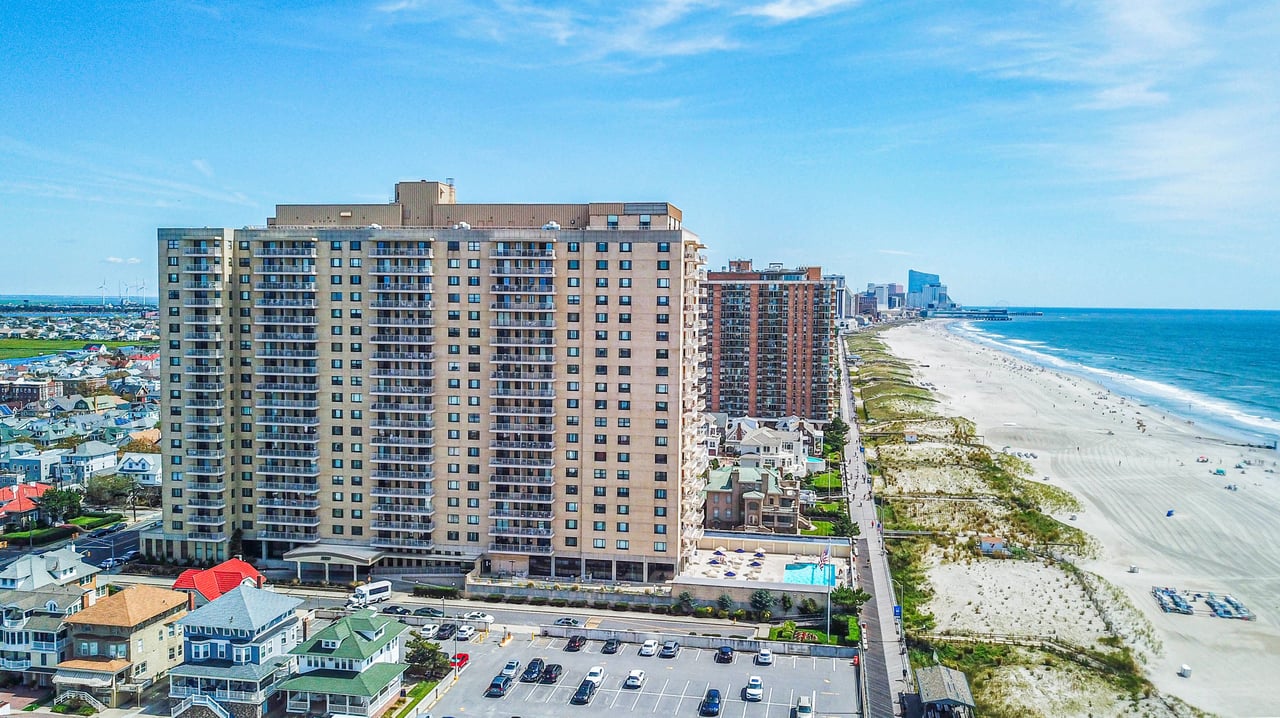
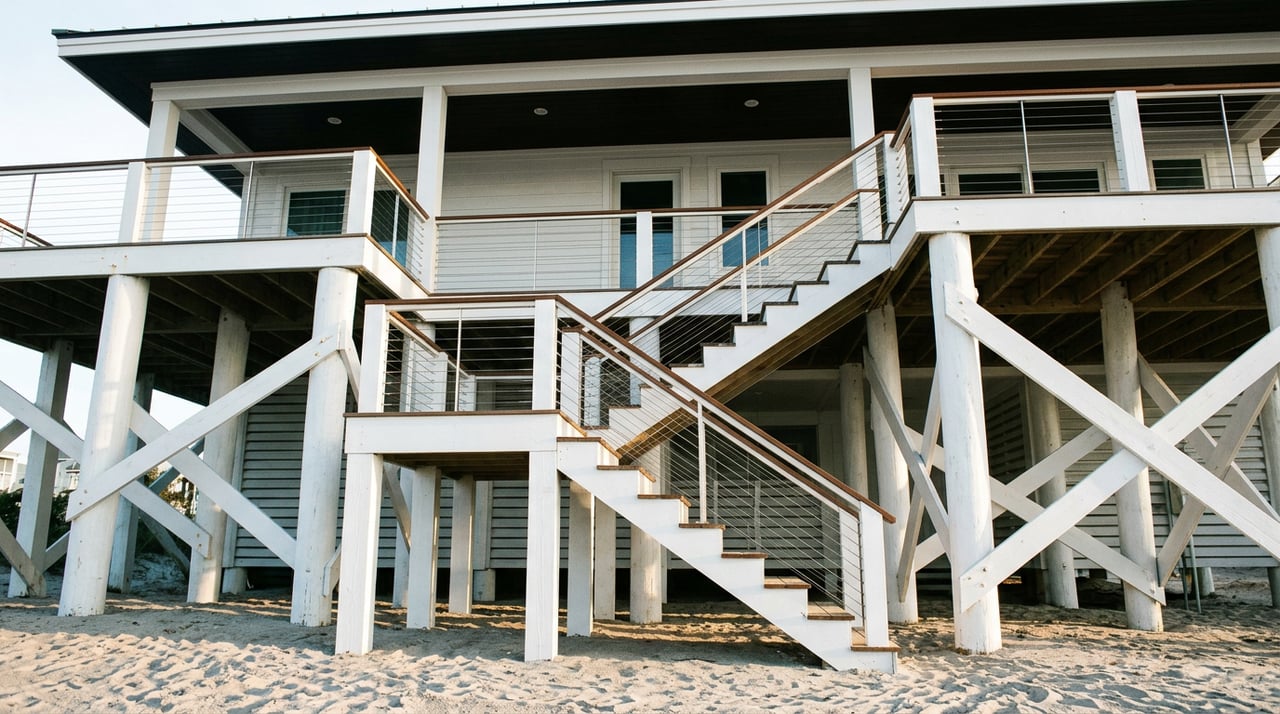
You will find several common property types here: oceanfront high and mid-rise condos with shared amenities, townhouse-style condo communities, elevated single-family oceanfront homes, and bayfront single-family homes with possible docks. The market has a seasonal rhythm influenced by summer demand and proximity to Atlantic City, which can also impact rental patterns.
Condos vs houses: daily life
Maintenance and upkeep
- Condos: The HOA typically handles exterior maintenance, roofing, siding, common areas, landscaping, and snow removal. You focus on the interior of your unit. It is convenient, but you rely on the HOA’s planning and reserves, and you may face special assessments if reserves are low.
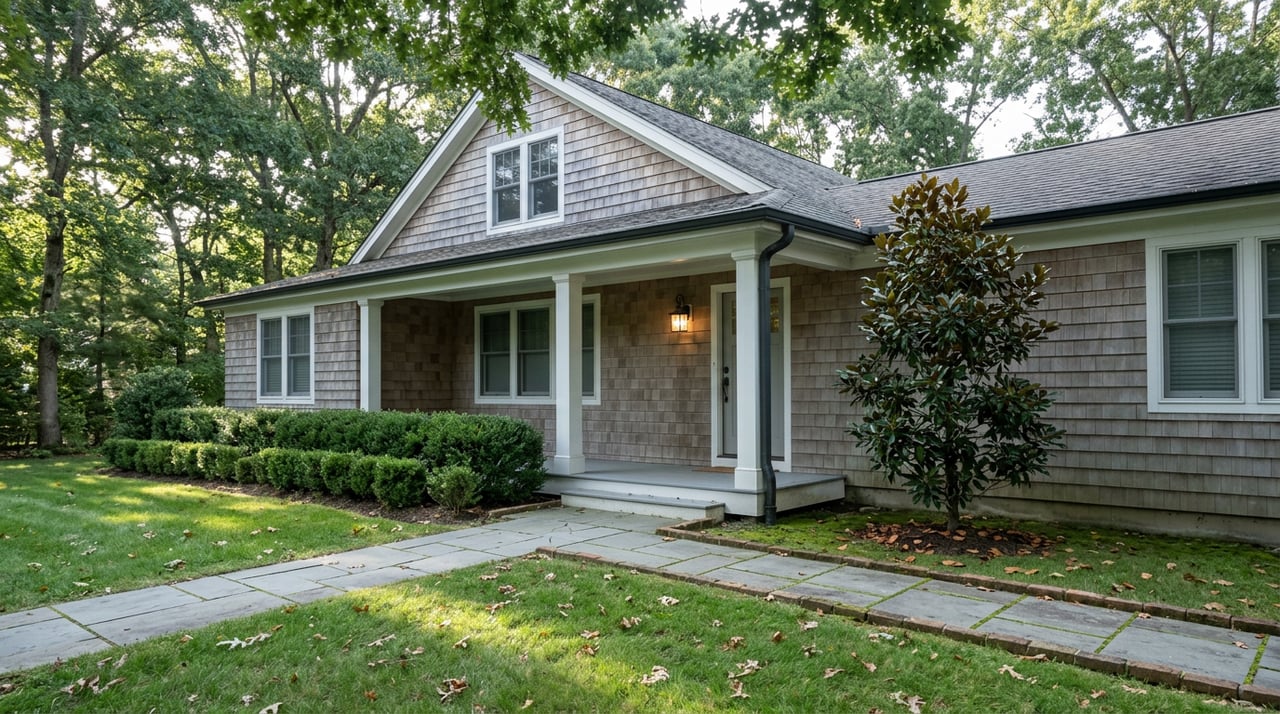
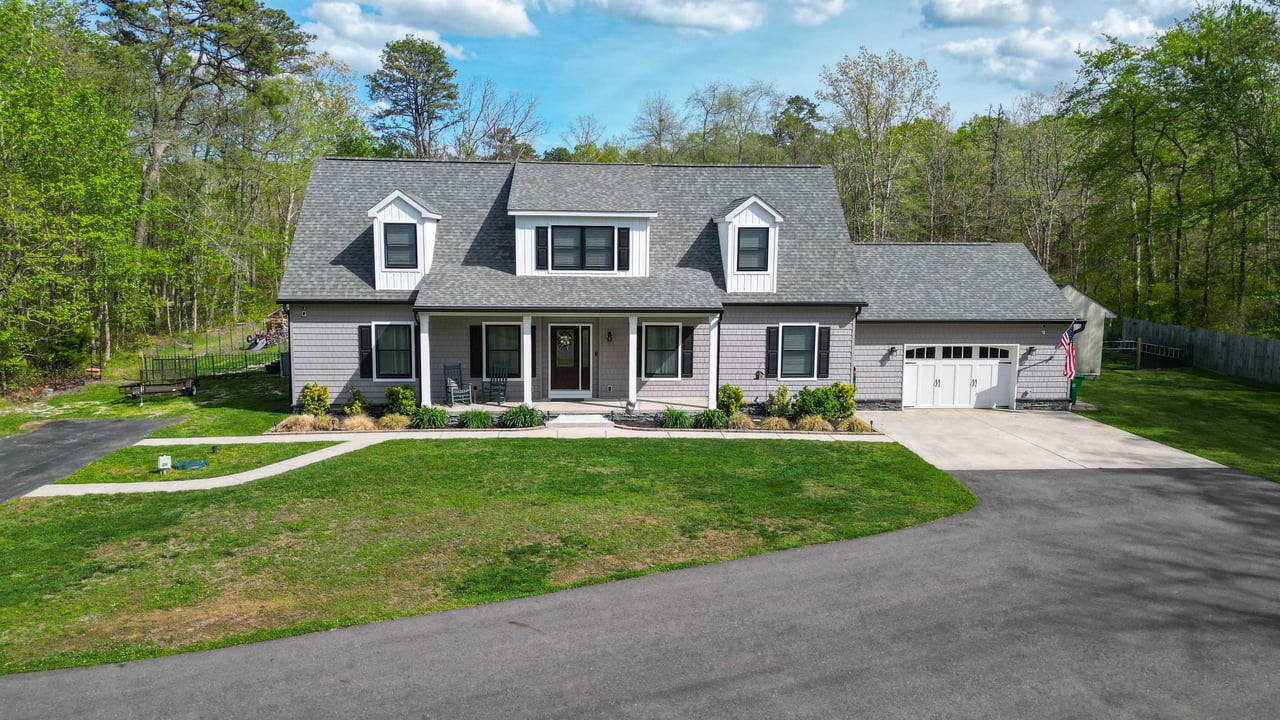
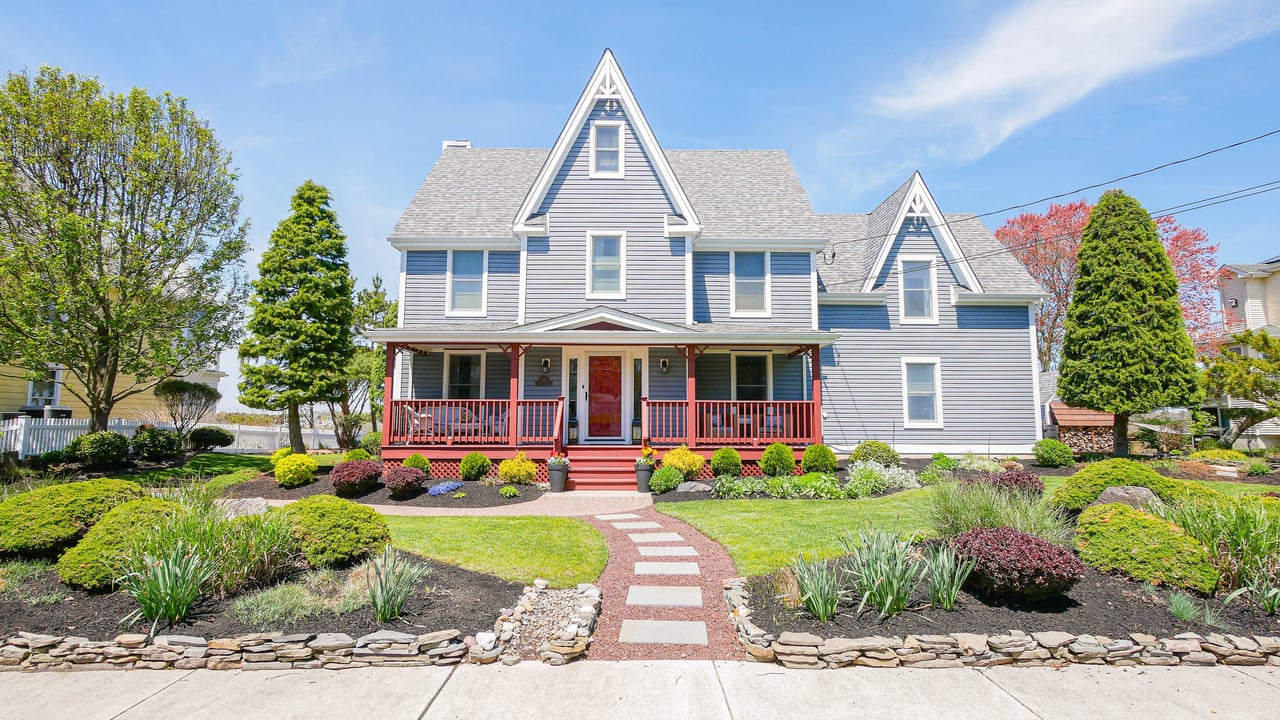
- Single-family: You handle everything, from siding and decks to driveways and landscaping. You gain full control over timing and contractors, but coastal exposure may increase upkeep for paint, decking, and metal corrosion.
HOA fees and budgeting
- Condos: Monthly HOA fees cover exterior maintenance, common-area insurance, reserves, and amenities. Fees vary by building age, staffing, and amenities. Always review the budget, reserve study, and any history of special assessments.
- Single-family: In most neighborhoods, there is no HOA fee. Some planned communities may have limited-service HOAs. Budget more for independent maintenance and insurance.
Beach access realities
- Condos: Some buildings include private or deeded pathways to the beach, while others rely on public access. Convenience is a plus when communities have direct access points.
- Single-family: Oceanfront homes may offer direct access, while inland locations use public or neighborhood access. Confirm any deeded easements or rights before you buy.
Parking in high season
- Condos: Expect at least one assigned spot and possibly guest parking. Rules may cap the number of vehicles per unit or restrict oversized vehicles.
- Single-family: Driveways and garages are common. Street parking rules vary locally, and summer demand can increase competition for spots near the sand.
Rental flexibility and STR rules
- Condos: HOAs often set minimum lease terms, caps on short-term rentals, and registration or fee requirements for renters. Some buildings require an owner-occupancy period before renting.
- Single-family: You are not bound by HOA rules, but you must follow Brigantine’s municipal short-term rental requirements, including any registration, tax, and safety standards. These rules can change, so verify them before you buy or list.
Resale patterns and financing
- Condos: Often a lower entry price, which attracts first-time shore buyers and investors. Resale values depend on HOA health, reserves, rental policies, location within the building, and reputation. Financing can be tougher if a building has weak reserves, high delinquency, or too many rentals.
- Single-family: Typically longer-term ownership and higher absolute prices. Resale depends on lot, elevation, condition, and private features like a dock or garage. Elevated homes and strong flood mitigation can support value.
Insurance, flood zones, and elevation
Brigantine sits within areas mapped by FEMA, and many properties are in higher-risk flood zones. Lenders often require flood insurance in these zones, and premiums can vary based on elevation, coverage, and claims history. Use the FEMA Flood Map Service Center to identify a property’s flood zone and ask for the elevation certificate.
- Condos: The master policy covers common elements. You still need an HO-6 policy for your unit and contents, and you may need flood coverage for interior damage not covered by the master policy.
- Single-family: You will carry a standard homeowners policy, wind or hurricane deductibles as applicable, and separate flood insurance if required. Get quotes early. The NFIP’s FloodSmart site explains how flood coverage works and what affects pricing.
For waterfront features, coastal permitting and shoreline protection often fall under state oversight. The New Jersey Department of Environmental Protection provides guidance on coastal rules and permits that can apply to docks, bulkheads, and dune or shoreline work.
Cost comparison checklist
Create a realistic monthly “all-in” budget for each property you are considering. Line items typically include:
- Condos: Mortgage principal and interest, property taxes, HOA fees, condo HO-6 policy, flood and wind coverage if required, and a buffer for possible assessments.
- Single-family: Mortgage principal and interest, property taxes, homeowners insurance, flood insurance if required, routine maintenance, and seasonal upkeep.
Aim for a side-by-side estimate for each target property so you can compare lifestyle and cost in a single view.
Common Brigantine scenarios
Oceanfront high-rise condo
- Pros: Panoramic views, lower personal upkeep, and amenities that can appeal to guests or renters. Some buildings offer private beach access and secure parking.
- Cons: Higher HOA fees, reliance on building management, and potential restrictions on short-term rentals. Special assessments can occur for major exterior work.
- Verify: HOA rental policies, reserves and meeting minutes, flood insurance exposure, parking allocations, and elevator maintenance history.
Townhouse or low-rise condo
- Pros: A house-like feel with reduced exterior work. Many include assigned parking and modest outdoor areas.
- Cons: Shared walls, HOA rules, and shared responsibility for exterior elements.
- Verify: Exact split between owner and HOA maintenance, pet rules, parking, and rental limits.
Elevated single-family oceanfront home
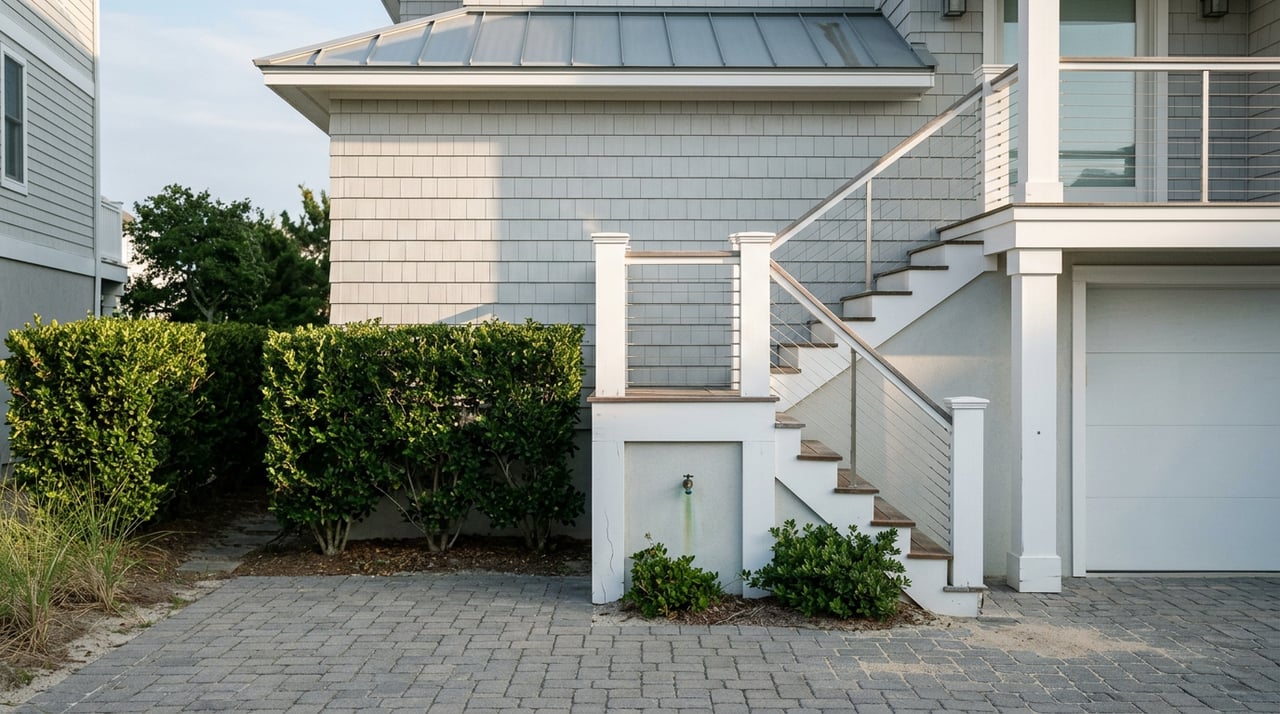
- Pros: Privacy, direct outdoor space, and control over improvements. Often stronger long-term appeal for buyers who prioritize independence and location.
- Cons: Higher maintenance, potentially higher insurance, and larger upfront and ongoing costs for coastal upkeep.
- Verify: Elevation certificate and FEMA flood zone, dune and bulkhead responsibilities, and any recent storm repairs or upgrades.
Bayfront single-family with dock
- Pros: Boat access and a lifestyle that appeals to water enthusiasts. Niche demand can support resale for the right buyer pool.
- Cons: Bulkhead or dock upkeep, permits and environmental considerations, and potentially higher insurance.
- Verify: Dock permits and riparian rights, bulkhead condition and permits, flood and erosion history, and any marina or waterway rules that apply.
Your decision plan
- Clarify your top three priorities. Decide whether low maintenance, private space, or rental flexibility matters most.
- Shortlist by location first. Oceanfront, mid-island, or bayfront each offer different access, views, and flood considerations.
- Run the all-in budget for each property. Include taxes, HOA fees, insurance quotes, and a maintenance buffer.
- Check risk and rules. Confirm flood zone and elevation through the FEMA Flood Map Service Center. Review HOA documents for condos and the municipal code for rental requirements.
- Pressure-test resale. For condos, evaluate HOA health and rental mix. For single-family, review elevation, lot features, and maintenance history.
Buyer due diligence checklist
Gather these documents and answers before you make an offer:
- Full HOA package: Declaration, bylaws, rules, recent meeting minutes, current budget, reserve study, master insurance certificate, and rental policy.
- Seller disclosures: Any history of flood or insurance claims, and records of recent storm-related repairs or improvements.
- Elevation and flood data: Elevation certificate if available, and flood zone verification from FEMA maps.
- Insurance guidance: Preliminary quotes for homeowners, wind, and flood coverage. The NFIP’s FloodSmart site is a good starting point.
- Waterfront permits: If applicable, confirm permits for bulkheads and docks, and check coastal rules via the New Jersey Department of Environmental Protection.
- Local rules: Review municipal information on short-term rentals, parking, and beach access. You can find updates on the City of Brigantine website.
Key questions to ask the listing agent or HOA manager:
- Is there a current reserve study, and what is the reserve balance? Any pending special assessments?
- What percentage of units are rented, and are there rental caps or minimum lease terms?
- What does the master insurance cover, and is there a master flood policy?
- What is the property’s FEMA flood zone, and how does elevation compare to Base Flood Elevation?
- Are there deeded beach access rights or only public access nearby?
- How are parking spots assigned, and what are the guest parking rules?
- What are the rules on pets, renovations, and exterior changes?
Work with a local guide
Choosing a Brigantine condo or house is about lifestyle, numbers, and risk management. When you understand HOA health, elevation, insurance, and local rules, the right choice becomes clear. If you want a steady hand to navigate options, compare true carrying costs, and negotiate with confidence, connect with Daniel Rallo. You will get local market insight, a detailed plan, and a smooth path to the shore life you want.
FAQs
What are the biggest cost differences between a Brigantine condo and a house?
- Condos include monthly HOA fees that cover exterior upkeep and common insurance, while single-family homes have no HOA in most cases but higher individual costs for maintenance, wind coverage, and flood insurance if required.
How do I check flood risk for a Brigantine property?
- Use the FEMA Flood Map Service Center and ask for the property’s elevation certificate to understand flood zone and potential insurance requirements.
Can I do short-term rentals in Brigantine?
- Many condos have rental restrictions, and all properties must follow municipal rules; verify HOA policies for condos and review the city’s current short-term rental requirements before you list.
Do condo master policies replace personal insurance?
- No. Condo master policies cover common elements; most owners still need an HO-6 policy for interiors and contents, plus flood coverage if applicable.
What should I verify for a bayfront home with a dock?