Investing In Margate NJ Rental And Airbnb Properties
June 2, 2026
June 2, 2026
Thinking about buying a rental or Airbnb property in Margate? You are not alone. This Absecon Island town can look appealing on paper. It has a classic beach lifestyle, strong summer demand, and some of the most sought-after blocks at the South Jersey Shore. But Margate is not a simple plug-and-play investment market. If you are considering a rental property here, you need to understand one local rule in particular, plus seasonality, licensing, and flood-related costs, before you make an offer. Let's dive in.
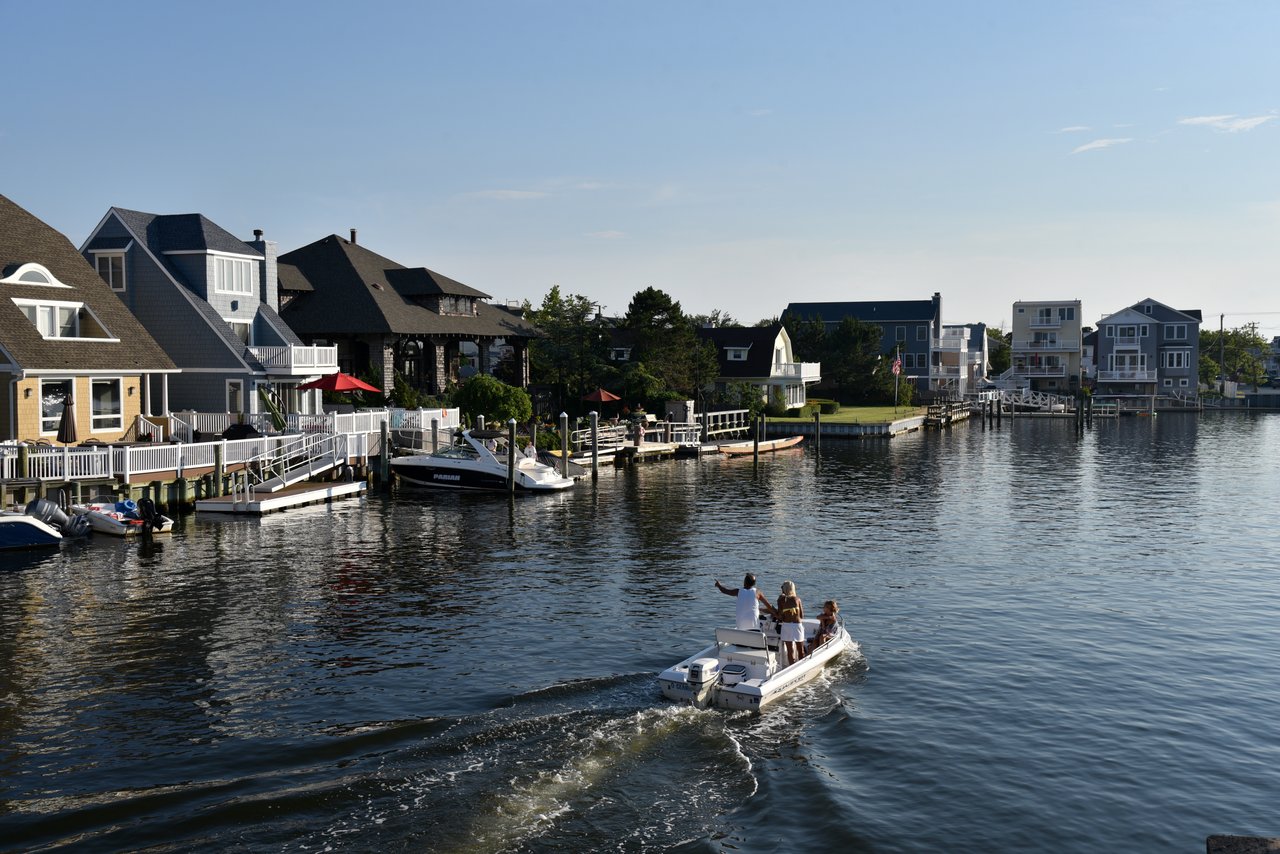
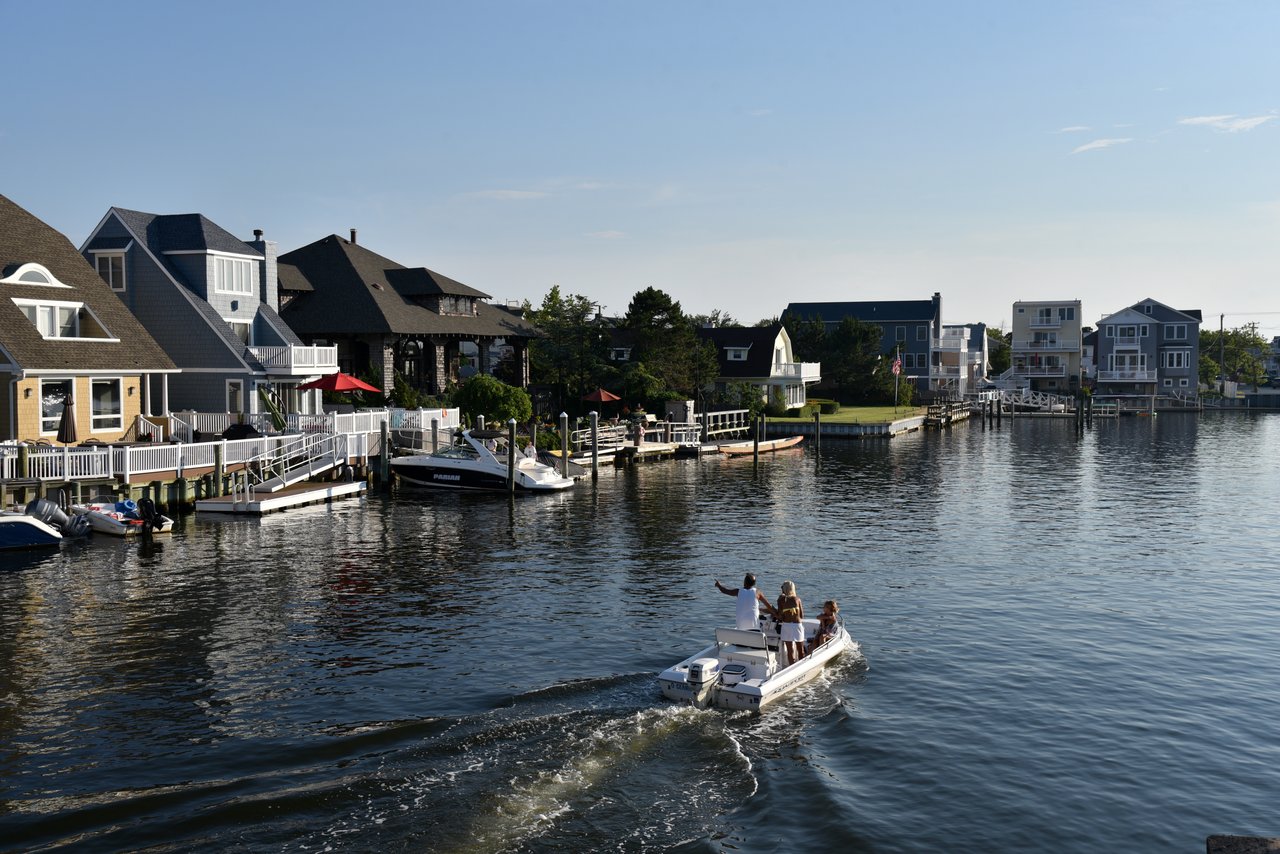
Margate has the kind of setting that naturally gets investors interested. It sits on Absecon Island between Ventnor and Longport, with walkable beaches, a popular bayfront, restaurants, and an easy shore lifestyle that appeals to seasonal visitors and second-home buyers.
That lifestyle backdrop matters because Margate is not driven by a deep year-round renter base. The city has roughly 5,260 residents and about 2,625 occupied housing units, with a very high 89.8% owner-occupied rate. The median sale price is around $939,000 as of early 2026, though this small luxury market can swing sharply, while the long-term median gross rent runs about $1,347 a month.
For you as an investor, that points to a market shaped almost entirely by homeowners, second-home owners, and seasonal demand rather than long-term rental volume. In other words, Margate works best when you underwrite it as a high-end shore market with summer-driven income potential, not as a standard year-round rental market.
This is the single most important thing to understand before you invest in Margate. Unlike some neighboring towns, Margate does not allow nightly stays. The city's rental code limits vacation rentals to a week or more, and rentals of less than seven days are prohibited.
During the summer season, from May 1 to September 30, Margate permits seasonal, monthly, biweekly, and weekly rentals. Outside that window the rules are more restrictive. The practical takeaway is simple but important: Margate is a weekly vacation-rental market, not a nightly Airbnb market.
That distinction reshapes your whole strategy. If your investment thesis depends on high-volume, two-night, weekend turnover, Margate is not the right town. If you are comfortable with weekly and monthly summer bookings to families and groups who want a full beach week, Margate can fit well. The city has also actively pushed back on Airbnb-style "party house" use, so plan around longer, family-oriented stays.
If you are evaluating vacation-rental potential, seasonality should be one of your first filters. Margate's beach calendar, and its rental code, both point to summer.
Beaches are lifeguard protected from Memorial Day through Labor Day, with guards on duty daily from 10 a.m. to 6 p.m., and coverage sometimes extends past Labor Day when weather allows. Beach tags are required for everyone 12 and older. Combine that with the May 1 to September 30 rental window, and the message is clear: the bulk of your bookable demand lands in summer.
This does not mean the property sits empty the rest of the year. Many owners use these homes personally in the off-season. Still, the safest takeaway is that summer revenue is likely to do almost all of the heavy lifting in your annual numbers.
This is where many investors need to slow down. You cannot simply close and start renting. In Margate, no dwelling unit may be rented or offered for rent without first being licensed.
A rental license can be applied for after March 1 each year, ahead of the summer season. The approval process involves municipal inspections covering building, electrical, fire, and plumbing items. That means an older shore home may need work to pass before it can legally rent.
There are a few practical implications for you:
If you are underwriting a property based on renting it the same week you close, that timeline usually does not work in Margate. Plan ahead.
Margate's rules do not just affect operations. They affect your costs and your calendar, too.
You may need to account for:
These items can materially affect your startup costs and ongoing expenses. In an older Margate home, those line items can become especially important, and they often surprise first-time shore investors.
In Margate, flood risk is not a side issue. It is one of the main numbers in your investment analysis.
Margate sits on Absecon Island, a low-lying barrier island it shares with Ventnor, Longport, and Atlantic City. The city participates in the National Flood Insurance Program, and flood coverage for Margate properties is available through the NFIP. Much of a barrier-island town like this falls within a FEMA-mapped flood hazard area.
Standard homeowners insurance does not cover flood damage, and NFIP policies can carry a 30-day waiting period. For you, that means flood insurance and storm resilience can directly affect net operating income. A property that looks attractive based on purchase price alone may pencil out very differently once you factor in flood insurance, elevation, mitigation work, and ongoing risk.
This is one reason Margate should be evaluated with a conservative mindset. In a shore market like this, insurance and compliance can reshape the deal as much as rental income does.
Many investors start with a quick rent-to-price calculation. That can be useful as a rough screen, but it does not tell the full story in Margate.
Using the long-term median gross rent of about $1,347 and a median sale price near $939,000, you get a simple annual rent-to-value ratio of roughly 1.7% before vacancy and expenses.
That number looks very low, and on a long-term basis it is. But it understates the real picture, because Margate income is earned in concentrated summer weeks at premium rates, not spread evenly across the year. Prime beach-block homes can command strong weekly rents in July and August. Even so, the math shows why many buyers need one of these things:
This is why Margate often makes the most sense for buyers who want a high-quality second home that also produces seasonal income, rather than pure cash-flow investors.
If you are serious about investing in Margate, it helps to think in layers instead of chasing headline numbers.
Start with the rental rule. Confirm that your plan fits the weekly-minimum, summer-season structure, because that determines how and when you can rent at all. Then look at the property itself, including its block, its proximity to the beach and bay, and whether it can pass the rental inspection without major work.
Next, build a realistic expense model. Include the rental license and inspections, insurance, taxes, utilities, cleaning, maintenance, and any state tax obligations tied to how bookings are handled. New Jersey says rentals obtained through a transient-space marketplace or classified as professionally managed units are generally subject to Sales Tax and the State Occupancy Fee, while many traditional Realtor-brokered seasonal leases are treated differently. Confirm how your specific booking method is taxed.
Finally, pressure-test the seasonality. Ask yourself whether the property still makes sense if you fill peak summer weeks but the shoulder season is quiet. In Margate, that honest answer is often the difference between a smart second home and an expensive one.
Margate can be a strong option for the right buyer, but it is not ideal for every investment strategy.
It may fit you well if you are looking for:
It may be a tougher fit if you want a nightly Airbnb model, fast weekend turnover, or a year-round cash-flow play. Margate looks more like a high-end, weekly-rental, flood-sensitive, seasonal-income market than a high-volume short-term rental market.
Margate offers real opportunity, but it rewards careful buyers more than casual ones. The town has the location, prestige, and seasonal demand that attract both visitors and second-home buyers. At the same time, the weekly-rental rule, licensing and inspection requirements, flood exposure, and summer-heavy revenue patterns mean your due diligence needs to be thorough.
If you want to invest here, the best move is to evaluate each property through a local lens. The right Margate home can absolutely make sense, but only when the numbers reflect how the town actually allows you to rent. If you want help identifying investment-friendly opportunities in Margate and the surrounding South Jersey Shore market, connect with Daniel Rallo.
Margate attracts interest because of its Absecon Island location, walkable beaches and bayfront, premium blocks, and strong summer demand from families and second-home buyers.
Not in the nightly sense. Margate prohibits rentals of less than seven days, so it functions as a weekly vacation-rental market rather than a nightly Airbnb market.
Rentals must be a week or longer. During the May 1 to September 30 season, Margate permits seasonal, monthly, biweekly, and weekly rentals, with more restrictions outside that window.
Yes. No dwelling unit may be rented without first being licensed. Rental licenses can be applied for after March 1 and the approval process includes municipal inspections.
The rental approval process involves building, electrical, fire, and plumbing inspections, so an older home may need work before it can legally rent.
Key costs can include the annual rental license and inspections, any repairs needed to pass inspection, possible lead-based paint compliance, flood insurance, taxes, utilities, cleaning, and maintenance.
Flood insurance is very important because Margate is a low-lying barrier-island community, standard homeowners insurance does not cover flood damage, and NFIP policies can carry a 30-day waiting period.
Based on the city's rental code, beach calendar, and very high owner-occupancy, Margate is best framed as a seasonal, weekly-rental market rather than a year-round rental market.

Monthly Blog
Daniel's mission is simple is to put people before profit, lead with integrity, and help homeowners and investors maximize their potential. Whether you’re buying, selling, investing, or just love real estate, Daniel is your go-to resource for expert advice and authentic insight.

4232 Harbor Beach Blvd Brigantine, NJ 08203