Investing In Ventnor NJ Rental And Airbnb Properties
June 2, 2026
June 2, 2026
Thinking about buying a rental or Airbnb property in Ventnor? You are not alone. This Absecon Island town can look appealing on paper. It has a classic beach lifestyle, steady summer visitor traffic, and a mix of condos, single-family homes, and multifamily properties. But Ventnor is not a simple plug-and-play investment market. If you are considering a rental property here, you need to understand seasonality, local rules, minimum-stay limits, and flood-related costs before you make an offer. Let's dive in.
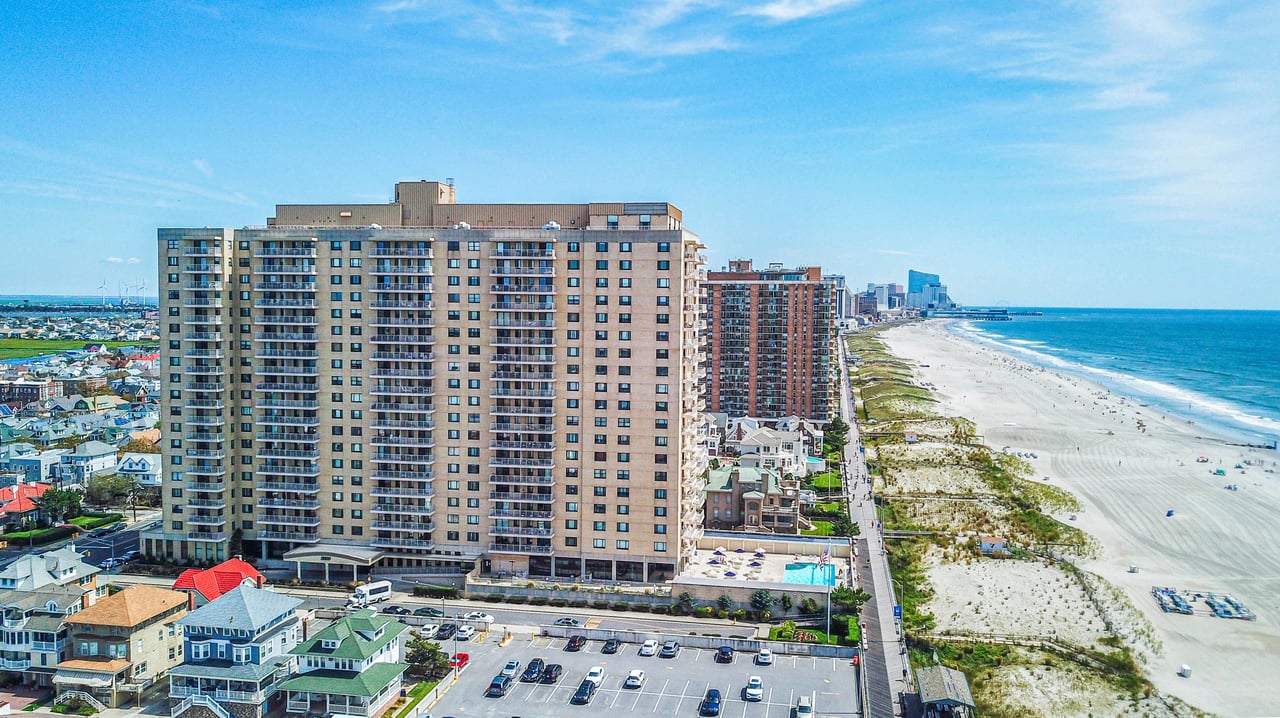
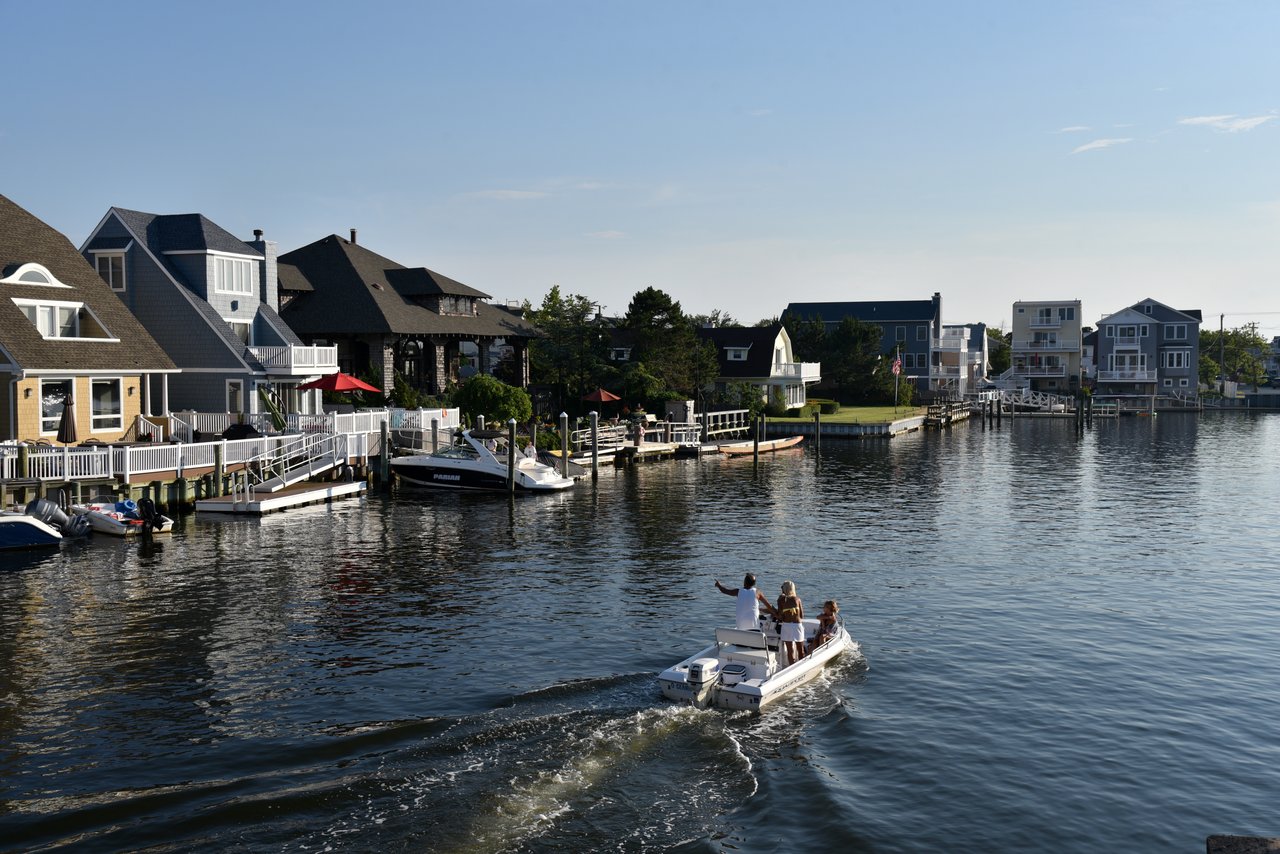
Ventnor has the kind of setting that naturally gets investors interested. It sits on Absecon Island between Atlantic City and Margate, with walkable beaches, a boardwalk, and an easy shore lifestyle that appeals to seasonal visitors and second-home buyers.
That lifestyle backdrop matters because Ventnor is not driven by a deep year-round renter base. The city has roughly 9,220 residents and about 4,537 occupied housing units, with a 62.2% owner-occupied rate. The median sale price is around $775,000 as of early 2026, up sharply year over year, while the long-term median gross rent runs about $1,477 a month.
For you as an investor, that points to a market shaped more by homeowners, second-home owners, and seasonal demand than by long-term rental volume alone. In other words, Ventnor may work best when you underwrite it as a shore market with summer-driven income potential, not as a standard year-round rental market.
If you are evaluating Airbnb or vacation-rental potential, seasonality should be one of your first filters. Ventnor's beach calendar is strongest from late spring through summer.
Guarded beaches run from Memorial Day through Labor Day, with lifeguards on duty daily from 10 a.m. to 6 p.m. Beach coverage is lighter at the very start and end of the season. Beach tags are required for everyone 12 and older from Memorial Day through Labor Day. That schedule tells you the strongest rental demand likely clusters around summer, with some shoulder-season activity on either side.
This does not mean there is no off-season demand. Families travel to the shore for holidays and weekends throughout the year. Still, the safest takeaway is that summer revenue is likely to do most of the heavy lifting in your annual numbers.
Not every property in Ventnor offers the same rental flexibility. The city's short-term rental ordinance, adopted in 2023, ties your minimum stay directly to bedroom count. A short-term rental in Ventnor is any rental of less than 30 days.
Here is how the minimum stays break down:
For investors, that creates a practical split:
Neither is automatically better. The right fit depends on your budget, expected guest profile, and how you plan to use the property personally, if at all. One more rule to note: Ventnor does not allow short-term rentals to anyone under age 21.
This is where many investors need to slow down. Ventnor requires a mercantile license for short-term rentals, and compliance is a real part of the business model.
Any property rented for less than 30 days must carry a mercantile license, and registration runs through the city's third-party monitoring system. Ventnor pays an outside firm to track short-term rental listings across Airbnb and similar platforms. Officials can issue summonses and revoke a host's mercantile license for repeat violations.
There are also several operating rules that can directly affect how you manage the property. For example:
If you are underwriting a property based on high-volume party-house use, that is not the right fit for Ventnor. The ordinance was built around neighbor concerns, and enforcement is the point.
Ventnor's rules do not just affect operations. They affect your costs, too.
The mercantile license fee is tied to bedroom count:
You may also need to account for:
These items can materially affect your startup costs and ongoing expenses. In an older shore home, those line items can become especially important.
In Ventnor, flood risk is not a side issue. It is one of the main numbers in your investment analysis.
Ventnor sits on a barrier island at an average elevation of around 12 feet. That is a vulnerable position when it comes to coastal storms and tidal surges. The city participates in the National Flood Insurance Program and its Community Rating System, which can earn policyholders a discount on premiums. FEMA has also been updating its flood study for the area, and preliminary maps may change how individual properties are rated.
Standard homeowners insurance does not cover flood damage, and NFIP policies can carry a 30-day waiting period. For you, that means flood insurance and storm resilience can directly affect net operating income. A property that looks attractive based on purchase price alone may pencil out very differently once you factor in flood insurance, elevation, mitigation work, and ongoing risk.
This is one reason Ventnor should be evaluated with a conservative mindset. In a shore market like this, insurance and compliance can reshape the deal as much as rental income does.
Many investors start with a quick rent-to-price calculation. That can be useful as a rough screen, but it does not tell the full story in Ventnor.
Using the long-term median gross rent of about $1,477 and a median sale price near $775,000, you get a simple annual rent-to-value ratio of roughly 2.3% before vacancy and expenses.
That is not a true cap rate, and short-term summer rents can run well above long-term rents, but it helps illustrate how tight the year-round math can be at current shore prices.
Once you subtract taxes, insurance, cleaning, utilities, management, license fees, and seasonal vacancy, you can see why many buyers need one of three things:
This is why Ventnor often makes more sense for buyers who want a mix of personal use and seasonal income, or investors who know exactly how to manage a high-season shore property.
If you are serious about investing in Ventnor, it helps to think in layers instead of chasing headline numbers.
Start with the property type and bedroom count, because bedroom count drives your minimum-stay rules and your license fee. If you are looking at a condo, confirm that the association documents and rules allow short-term rentals before you buy.
Next, build a realistic expense model. Include the mercantile license, inspections, insurance, taxes, utilities, cleaning, maintenance, and any state tax obligations tied to how bookings are handled. New Jersey says rentals obtained through a transient-space marketplace or classified as professionally managed units are generally subject to Sales Tax and the State Occupancy Fee, while some direct owner bookings may be exempt if the owner is not offering three or more units.
Finally, pressure-test the seasonality. Ask yourself whether the property still makes sense if summer performs well but the off-season is modest. In Ventnor, that is often the difference between a workable shore investment and a disappointing one.
Ventnor can be a strong option for the right buyer, but it is not ideal for every investment strategy.
It may fit you well if you are looking for:
It may be a tougher fit if you want a low-maintenance, year-round cash-flow play with light regulation. Ventnor looks more like a high-compliance, flood-sensitive, seasonal-income market than a simple passive rental market.
Ventnor offers real opportunity, but it rewards careful buyers more than casual ones. The town has the location, shore appeal, and seasonal demand drivers that attract both visitors and second-home buyers. At the same time, mercantile licensing, minimum-stay rules, insurance requirements, flood exposure, and summer-heavy revenue patterns mean your due diligence needs to be thorough.
If you want to invest here, the best move is to evaluate each property through a local lens. The right condo, single-family home, or multifamily property can make sense, but only when the numbers reflect how Ventnor actually works. If you want help identifying investment-friendly opportunities in Ventnor and the surrounding South Jersey Shore market, connect with Daniel Rallo.
Ventnor attracts interest because of its Absecon Island location, beach access, boardwalk, and shore lifestyle, with demand that appears strongest from late spring through summer.
Yes, Ventnor allows short-term rentals of less than 30 days, but they require a city mercantile license and must follow the minimum-stay rules tied to bedroom count.
One-bedroom and studio units have a one-night minimum, two-bedroom units have a two-night minimum, and three-bedroom and larger units have a three-night minimum.
The mercantile license fee is $500 per year for one-bedroom and studio units, $750 per year for two-bedroom units, and $1,000 per year for three-bedroom and larger units.
You may be able to, but only if the condominium association documents and rules permit short-term rentals, so confirm this before you buy.
Key costs can include the mercantile license fee, a rental certificate of occupancy inspection, possible lead-based paint compliance, flood insurance, taxes, utilities, cleaning, and maintenance.
Flood insurance is very important because Ventnor is a low-lying barrier-island community, standard homeowners insurance does not cover flood damage, and NFIP policies can carry a 30-day waiting period.
Based on the city's beach calendar, housing profile, and shore setting, Ventnor is more sensibly framed as a seasonal-income market than a deep year-round rental market.



Monthly Blog
Daniel's mission is simple is to put people before profit, lead with integrity, and help homeowners and investors maximize their potential. Whether you’re buying, selling, investing, or just love real estate, Daniel is your go-to resource for expert advice and authentic insight.

4232 Harbor Beach Blvd Brigantine, NJ 08203